


I’ll never forget the story of Mai, a young woman who came to me with a worried expression. Summer was approaching, and the beach trip with her best friends had been planned for ages, but Mai just wanted to cancel at the last minute. The reason? Her back was covered in a constellation of dark spots and hidden pimples, leaving her without the courage to wear her favorite bikini.
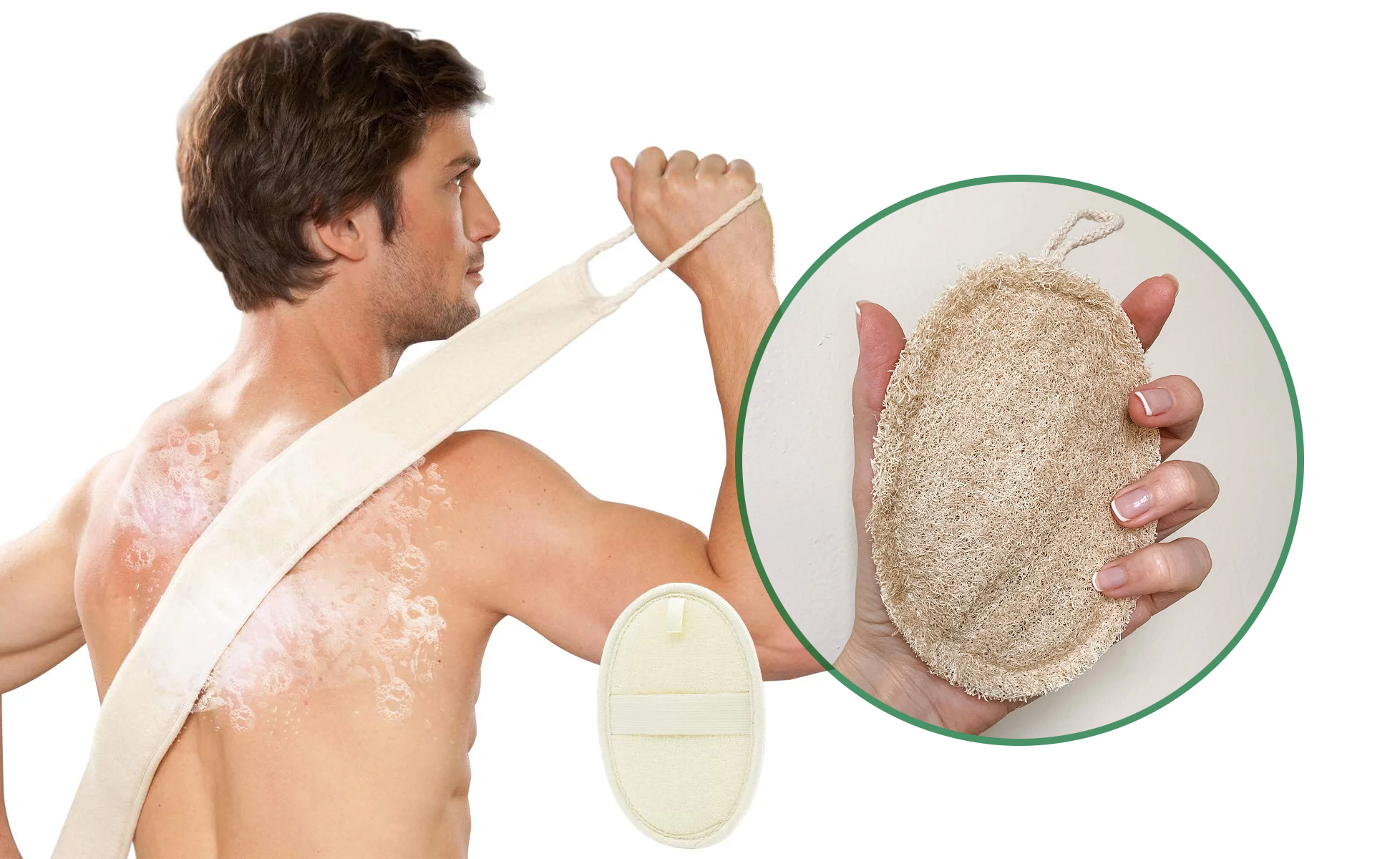
Mai told me her mother had mentioned treating back acne with a loofah, a beauty secret “from our grandparents’ time.” Following her mother’s advice, she would vigorously scrub her back with a rough, dry loofah every day in the shower, hoping to “scrub away” the acne. But alas, after two weeks, not only did her back not improve, but it became red, the old pimples seemed more swollen, and a few new inflamed ones began to appear.
Mai’s story is not uncommon. Many of us, in our haste to get rid of back acne, have inadvertently trusted word-of-mouth methods without truly understanding their nature. So, let’s “dissect” this familiar loofah together to see if it’s a friend or foe in the battle to treat back acne.
What is a Loofah and Why is it “Hot” in the Beauty World?
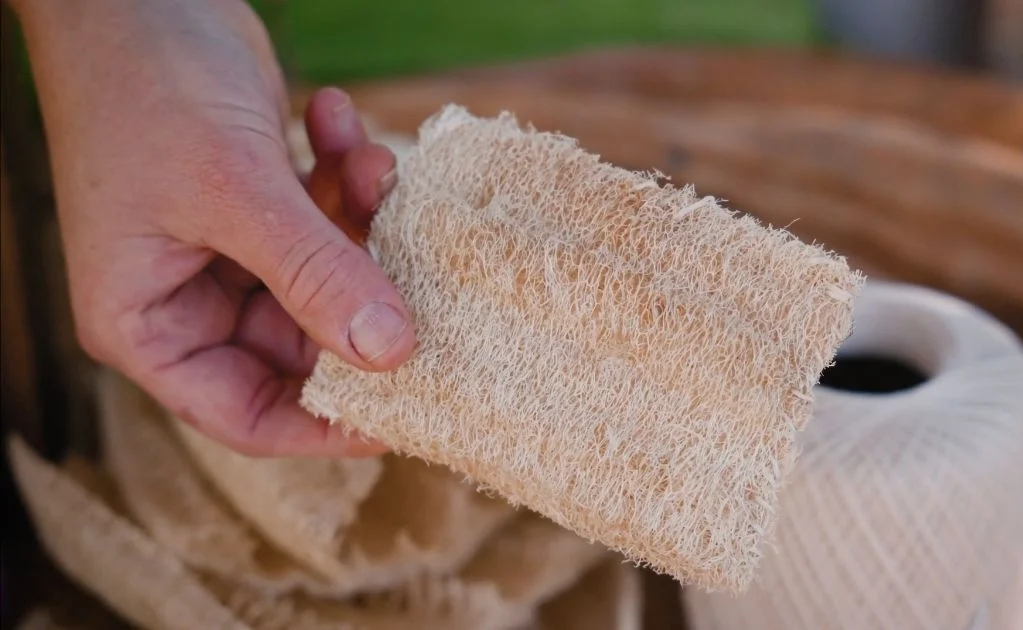
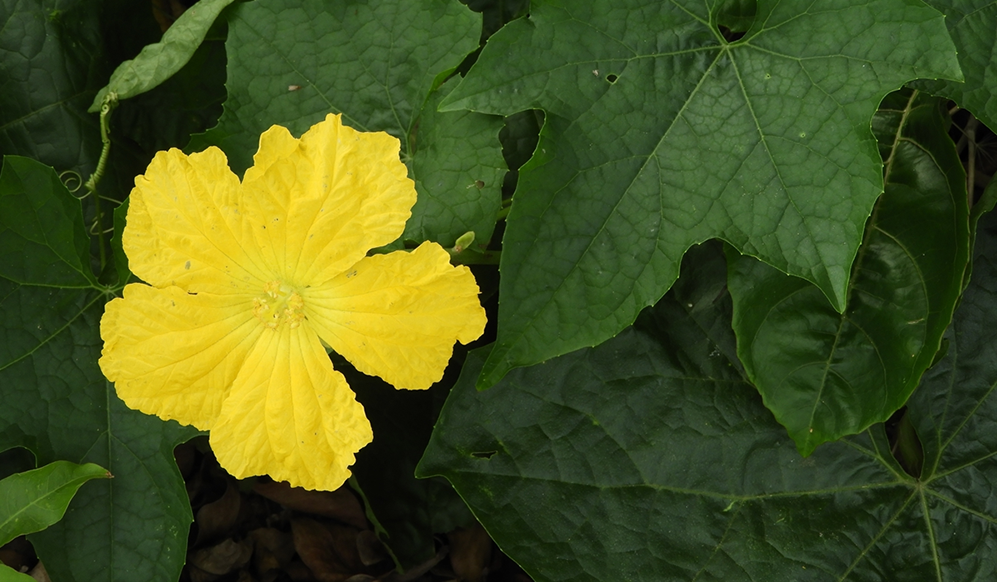
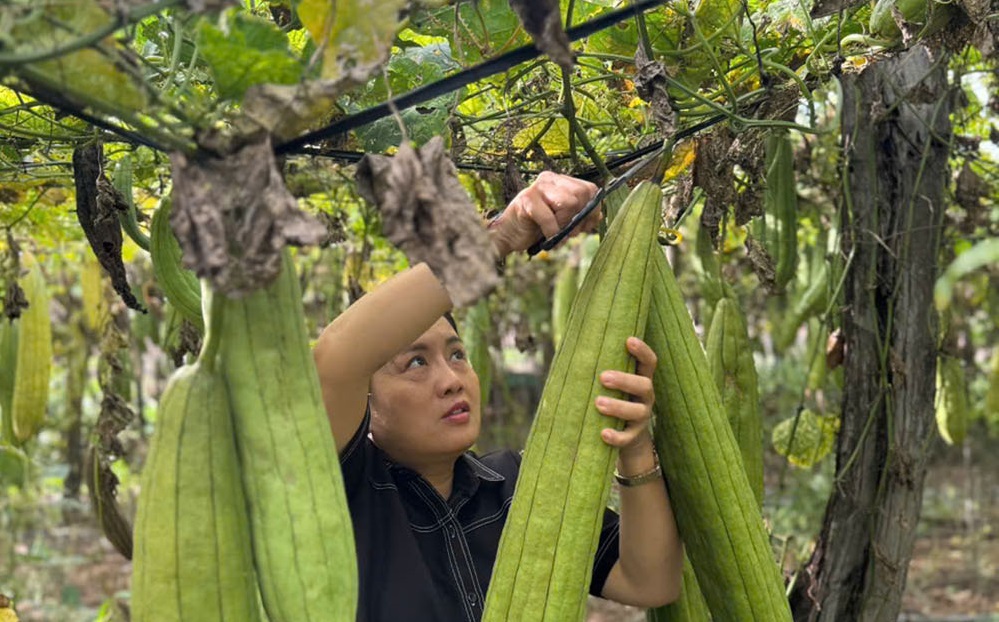
Many people assume a loofah is some kind of coral or sea creature, but the surprising truth is that it’s entirely plant-based. A loofah is simply the dried, fibrous interior of a mature luffa gourd. After the gourd ages, it’s harvested, dried, and gently beaten to remove the skin and seeds. The remaining part is the network of tough, intertwined fibers that we commonly use.
It became “hot” not because of any massive marketing campaign, but because of its most original function: physical exfoliation. The naturally rough surface of a loofah, when it comes into contact with the skin, creates friction that helps remove the layer of old, dead skin cells, dirt, and sebum accumulated on the surface. This is the most basic principle that leads people to believe it can treat back acne.
The Mechanism: How a Loofah Affects Back Acne
To understand why people think of treating back acne with a loofah, we need to understand the mechanism of back acne. Similar to facial acne, back acne forms due to a combination of three main factors: excess sebum production, clogged pores from dead skin cells, and the activity of P. acnes bacteria.
So, how does a loofah intervene in this process?
Physical Exfoliation: “Sweeping” the Skin’s Surface
Imagine your pores are like the mouths of tiny bottles, and dead skin cells and sebum are the corks. When these “corks” seal the bottle mouths, excess oil cannot escape, gets trapped, and forms a pimple.
The act of scrubbing your skin with a loofah is like “sweeping” the surface, removing the layers of dead skin cells that risk causing blockages. When the skin’s surface is clear, the risk of new acne forming is significantly reduced. This is the most obvious and recognized effect of a loofah.
Stimulating Blood Circulation: Nourishing Skin from Within
When you massage your back with a loofah, the gentle circular and scrubbing motions stimulate the capillaries under the skin to work more vigorously. Better blood circulation means that oxygen and nutrients are transported more effectively to nourish the skin cells.
Skin that is well-“fed” will be healthier, enhancing its ability to self-heal and fight off acne-causing agents. That gentle, warm feeling after a massage is a sign that your blood circulation is improving.
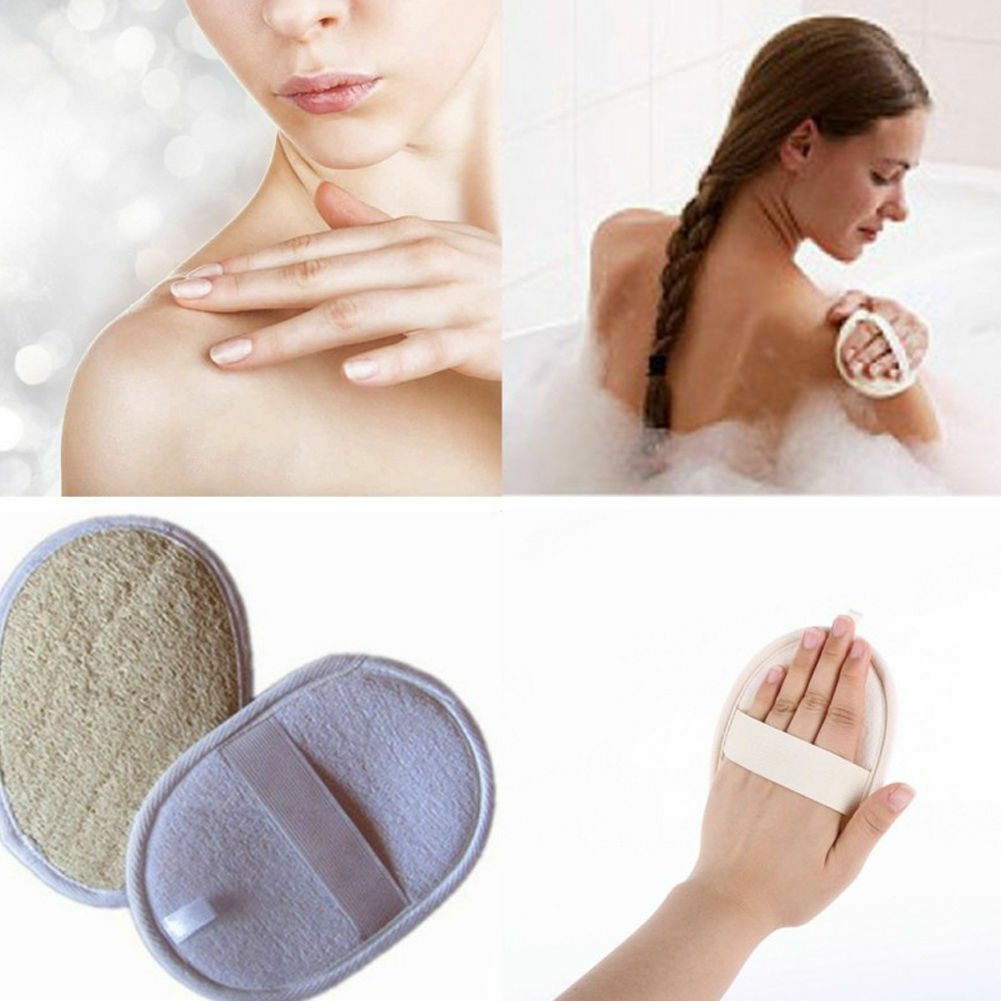
Aiding Product Absorption
This is an extremely important synergistic benefit. After the rough layer of dead skin cells is removed, the skin becomes smoother and more “breathable.” At this point, if you use special back acne treatments like a body wash containing Salicylic Acid (BHA), Benzoyl Peroxide, or acne-fighting serums and lotions, they will penetrate the skin much deeper and faster.
The path to the hair follicle has been cleared, allowing the active ingredients to go straight to the “stronghold” of the acne to exert their effects.
The Harsh Truth: When Treating Back Acne with a Loofah Backfires
Reading this far, you’re probably very excited and thinking that a loofah is the ultimate solution. But wait, this is the most important part that I want you to remember. This is also the reason why Mai, the girl in our story, failed. Treating back acne with a loofah is like a double-edged sword; if used incorrectly, it will do more harm than good.
“Over-Scrubbing – The Harm Outweighs the Good”
This is the most common mistake. Many people have the “the harder, the cleaner” mentality, thinking they can “scrub all the acne away.” This thinking is extremely harmful! Our skin, even the seemingly thicker skin on our back, still has a very delicate natural protective barrier.
Scrubbing too hard and too often will damage this barrier, causing microscopic tears (micro-tears) that are invisible to the naked eye. Damaged skin loses moisture, becomes weak, and is prone to irritation and inflammation. Even worse, the body will react by producing more oil to compensate, making the back acne situation even more severe. Your back, once an area needing healing, suddenly turns into a red, raw, and painful “battlefield.”
“A Mobile Bacterial Colony”
Do you know the most ideal environment for bacteria to thrive? It’s a place that is damp, warm, and has plenty of “food” (dead skin cells). And that loofah you hang in your bathroom is a perfect “5-star hotel” for bacteria!
After each use, dead skin cells, sebum, and bacteria from your back get trapped in the fibers. If you don’t wash it clean and let it dry completely, the damp loofah will become a giant bacterial breeding ground. The next time you shower, you inadvertently use that same “bacterial colony” to scrub your back, spreading bacteria from one pimple to other healthy skin areas, causing acne to spread uncontrollably. Horrifying, isn’t it?
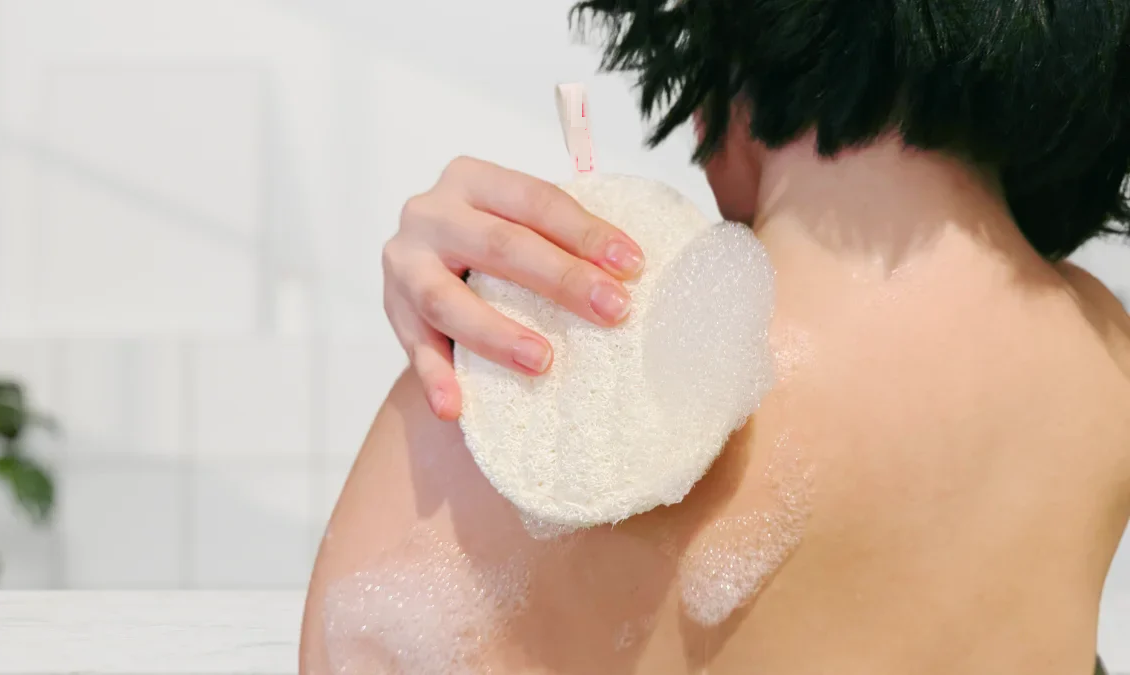
Not Suitable for Inflamed, Cystic Acne
This is an absolute taboo! If your back has inflamed, swollen, red pimples with pus (pustules, cysts, nodules), using a loofah to scrub them is like “poking a hornet’s nest.”
The friction from the loofah will rupture the pimples, causing bacteria and pus to spread to surrounding skin areas, triggering a new acne breakout. This action also deeply damages the skin’s structure, leading to the risk of permanent dark spots and pitted scars that are very difficult to treat.
The “Expert-Approved” Guide to Using a Loofah Safely for Back Acne
So, should you throw away your loofah immediately? Not necessarily. If you know how to use it intelligently, it can still be a powerful supporting tool. At Loofah Global, we don’t dismiss natural methods; instead, we guide clients on how to combine them scientifically.
Here is a 5-step process for you to treat back acne with a loofah safely and effectively:
Step 1: Choose a “Quality” Loofah and Soften It
Choose loofahs that are natural, off-white in color, with soft and even fibers. Avoid those that have been bleached or have a strange smell. Before use, soak the loofah in warm water for about 3-5 minutes to soften the fibers, minimizing the risk of scratching the skin.
Step 2: Frequency is King
Absolutely do not use it daily! The ideal frequency for exfoliating with a loofah is 1-2 times per week. This is just enough time for the skin to shed its old layer of keratin without damaging the protective barrier. Listen to your skin; if you notice any dryness or redness, reduce the frequency even further.
Step 3: Gentle as a Feather
After wetting your body and applying body wash, use the softened loofah to gently massage your back in circular motions. Imagine you are caressing, not scrubbing a pot. Focus on the thicker, rougher areas of skin and stay far away from any inflamed, swollen pimples.
Step 4: Clean and Store – The Make-or-Break Step
This step determines success or failure. Immediately after use, wash the loofah thoroughly under running water to remove all soap and residue. Squeeze out all the water and hang it in a dry, airy place, preferably with sunlight. Absolutely do not leave it in the humid environment of the bathroom.
And most importantly: replace your loofah with a new one every 3-4 weeks. Don’t be stingy!
Step 5: Complement, Don’t Depend
View the loofah as an exfoliating tool, not the sole treatment. To effectively treat back acne, you need to combine it with a complete skincare routine:
- Cleanse: Use a body wash containing acne-fighting ingredients like Salicylic Acid (BHA) or Tea Tree Oil.
- Treat: After showering and drying off, use targeted treatment products in spray or lotion form containing BHA or Benzoyl Peroxide on the affected areas.
- Moisturize: Don’t forget to moisturize your back with a lightweight, non-comedogenic lotion to keep the skin healthy.
Alternatives and Supplements to the Loofah
If you feel that treating back acne with a loofah is too risky or your skin is sensitive, don’t worry, there are many safer and more modern alternatives:
- Chemical Exfoliants (AHA/BHA): This is the method recommended by dermatologists. Products containing AHA (Glycolic Acid, Lactic Acid) or BHA (Salicylic Acid) will penetrate deep into the pores, gently “dissolving” the bonds of dead skin cells and sebum without any physical scrubbing. They are particularly effective for treating back acne.
- Exfoliating Gloves or Towels: If you still prefer the feeling of physical exfoliation, choose gloves or towels made from soft microfiber. They are less likely to cause scratches than a loofah.
- Clay Masks: Applying a clay mask to your back 1-2 times a week is also a great way to absorb excess oil and clear out pores.
Furthermore, don’t forget the lifestyle factors that directly affect back acne: wearing loose, breathable, moisture-wicking clothing; showering immediately after exercising; changing your bedsheets regularly; and adopting a healthy diet, limiting sugar and greasy foods.
Conclusion
Returning to the original question: Is treating back acne with a loofah effective? The answer is: Yes, but with many conditions. It can be an effective physical exfoliant if you have healthy skin, no inflamed acne, and strictly adhere to the rules of frequency, technique, and hygiene.
However, it is also a risky double-edged sword that can worsen your acne if used incorrectly. For most cases of back acne, especially on sensitive or inflamed skin, chemical exfoliation methods with BHA/AHA are a safer and more effective choice.
The journey to clear skin requires patience and an understanding of your skin. Don’t rush to believe in quick fixes. Equip yourself with the right knowledge, choose the right method, and you will surely regain your confidence with a smooth, healthy back. If you’re still unsure, don’t hesitate to seek advice from the experts at Mộc An Care for a personalized treatment plan.
Frequently Asked Questions
Is it good to use a loofah to treat back acne every day?
Absolutely not. Using a loofah daily will destroy the skin’s natural protective barrier, causing irritation, dryness, and worsening the back acne as the skin overproduces oil to defend itself. The ideal frequency should only be 1-2 times per week.
How do you clean a loofah properly?
After each use, you must wash the loofah thoroughly under running water, squeeze out all the water, and hang it in a dry, airy place with sunlight to prevent bacterial growth. Don’t forget to replace your loofah every 3-4 weeks to ensure hygiene.
Should sensitive skin types use a loofah to treat back acne?
People with sensitive skin should be extremely cautious or, preferably, avoid using a loofah to treat back acne. Its rough surface can easily cause irritation and redness. Instead, you should prioritize gentle chemical exfoliation methods like BHA, PHA, or consult with an expert skin care for the safest option.