

In recent years, the explosion of the “Green Lifestyle” in Europe, North America, and Japan has transformed the loofah—a humble item from the traditional Vietnamese kitchen—into a “star” on international shelves. Looking at the market potential, many mistakenly believe this is an easily exploitable “gold mine”: simply buy, dry, pack, and earn foreign currency.
However, at Loofah Global, we affirm: Exporting loofah is a marathon, absolutely not for those looking to make a “quick buck”.
Why do we make such a bold claim?
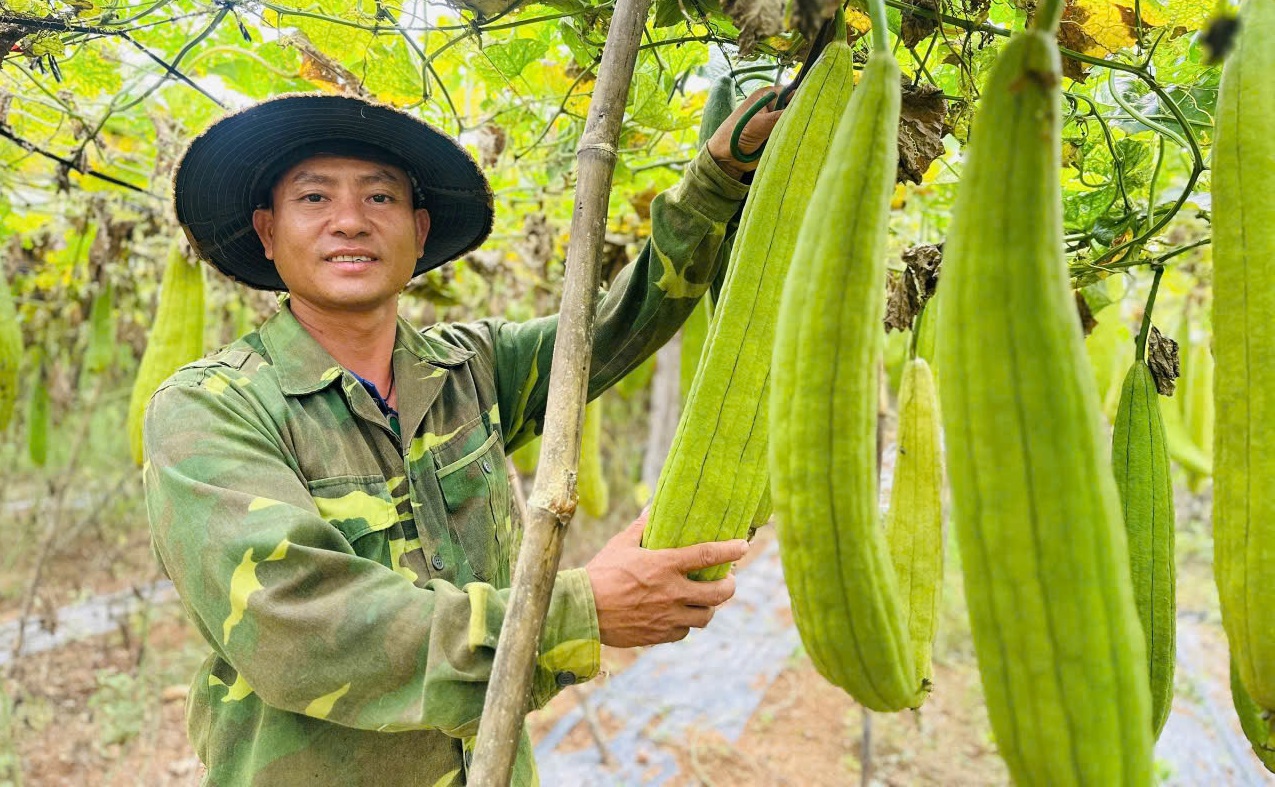
1. Export-Grade Loofah is Not “Backyard Loofah”
The short-term mindset often starts with gathering floating market goods to drive costs down to the bare minimum. However, the international market, especially demanding B2B clients, has strict standards that random, uncultivated goods cannot meet:
-
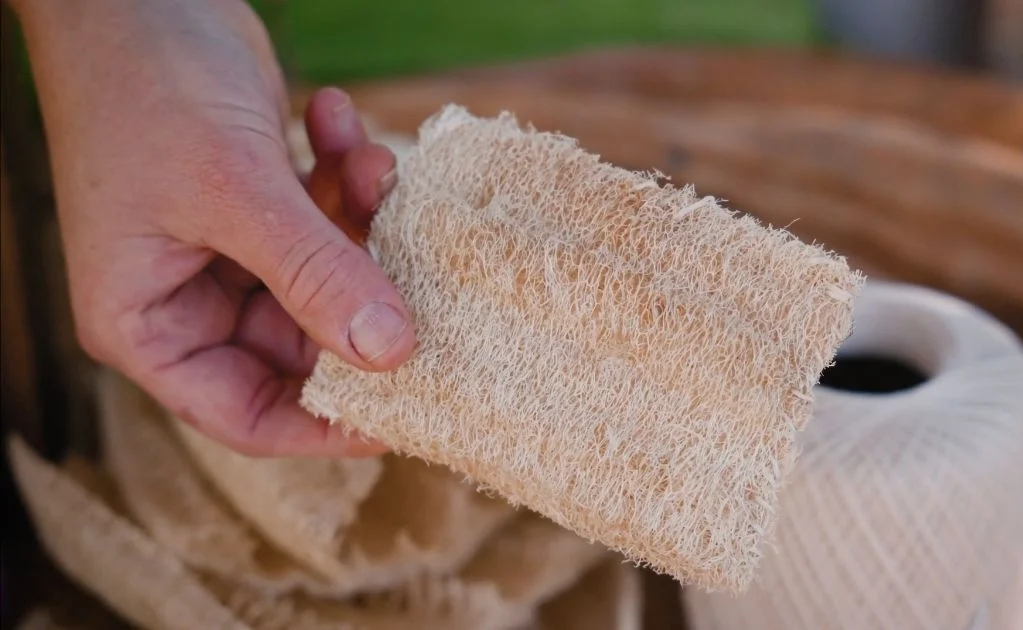
Consistency: A shipping container requires tens of thousands of products that are identical in size, thickness, and color. Spontaneously grown loofahs produce fruits of “a thousand shapes,” making them impossible to process in industrial packaging lines.
-
Fiber Structure: Western customers prefer fibers that are thick and durable, yet not so hard that they scratch the skin. This requires a farming process where seed selection and harvest timing are controlled down to the exact day.
2. The “Hurdle” of Microbiology and Mold
This is the “graveyard” that buries the ambitions of many inexperienced exporters. Loofah is an organic material with a porous structure, making it an ideal environment for mold if not treated correctly.
-
The Opportunists: Often rely on simple sun-drying or insufficient heat drying. When goods spend 30-45 days at sea, passing through various climate zones, the container opens to reveal… a warehouse of mold. The result is total destruction of goods, contract compensation, and permanent loss of reputation.
-
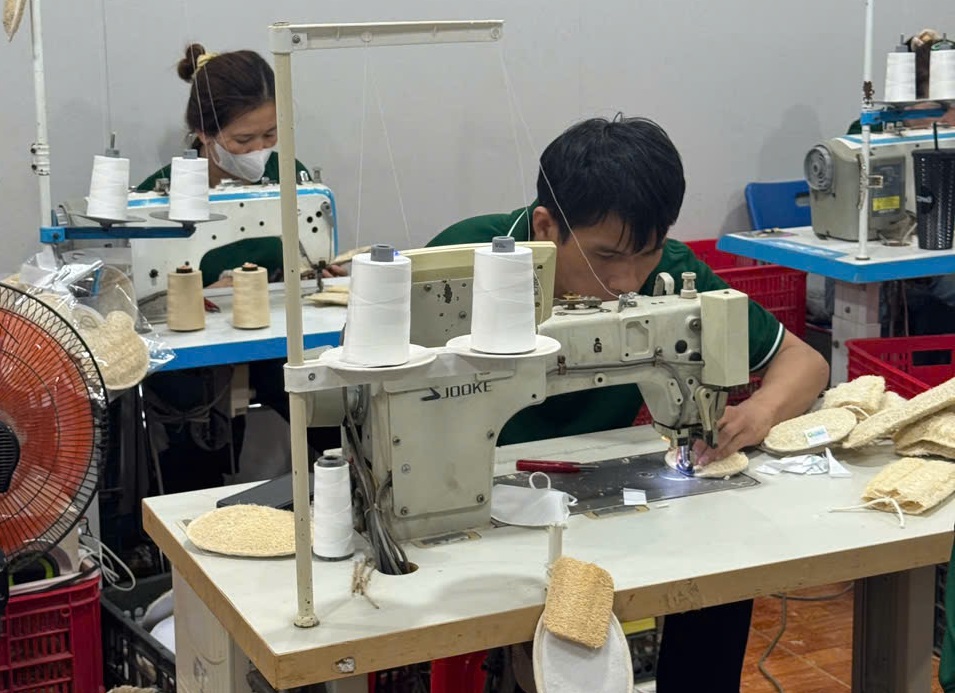
Loofah Global: We invest in deep-cleaning technology and standardized thermal drying. Products must ensure moisture content is below the permissible limit and are bacteria-free before packaging. This is a cost that short-term players are unwilling to pay.
Important Note: A single poor-quality shipment doesn’t just kill a business; it tarnishes the image of “Made in Vietnam” in the eyes of international partners.
3. The Story of Sustainable Sourcing
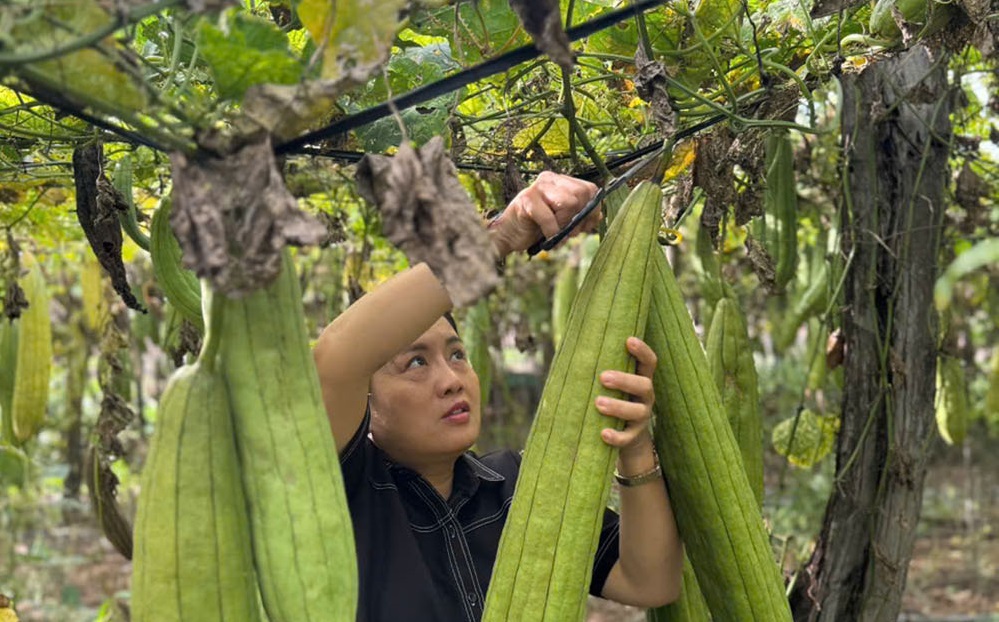
True loofah exporting requires genuine, ethical agriculture. At Loofah Global, we understand that to go the distance, we cannot rely on fragmented collection. We work closely with farmers, plan growing zones, commit to zero toxic pesticides, and guarantee output purchasing.
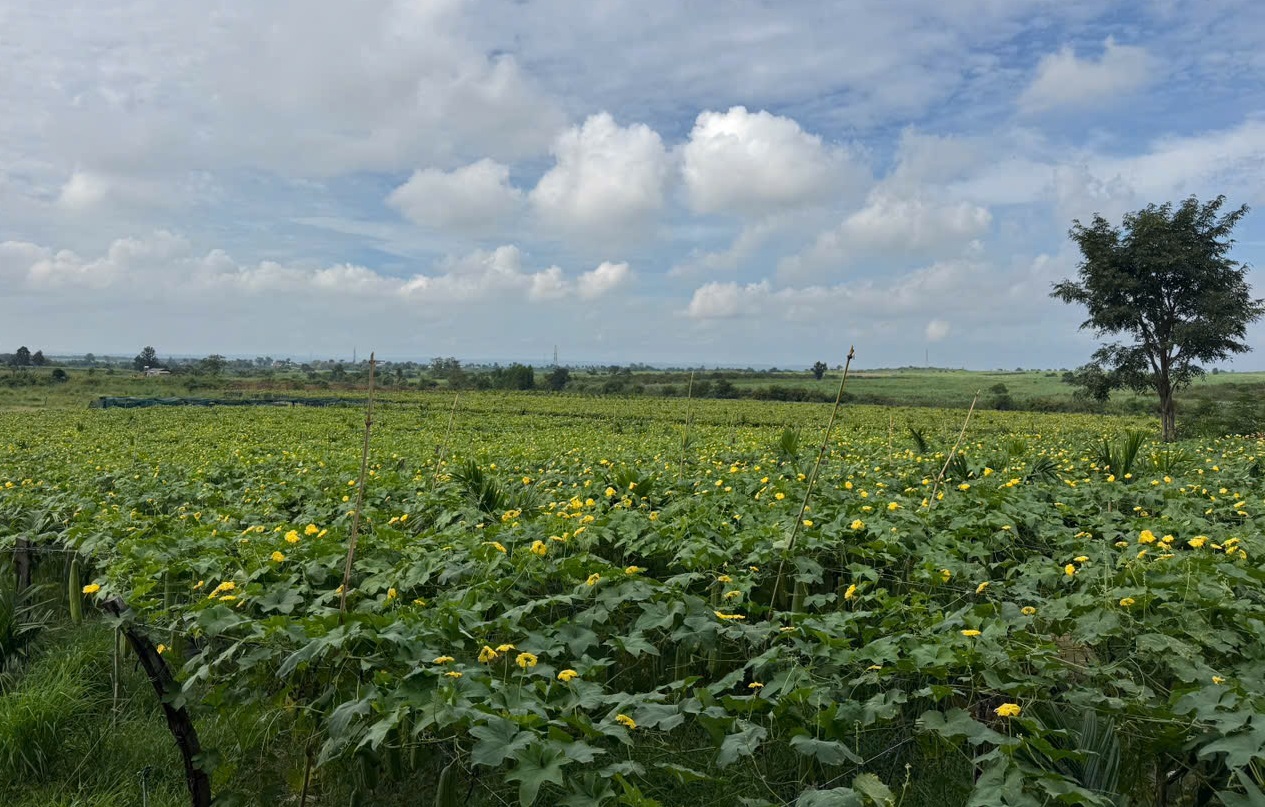
“Short-sighted” players might win a few odd orders when the market is scarce, but they fail when clients demand Traceability. Modern consumers want to know where the loofah they use was grown and if the farmers were paid fairly. Only transparent and socially responsible enterprises can answer these questions.
4. Final Thoughts: The Value of Persistence
Exporting loofah is a journey of bringing the cultural beauty and indigenous resources of Vietnam to the world. It demands meticulousness, patience, and heart.
At Loofah Global, we chose the hard path:
-
Investing in standardized processes.
-
Supporting the livelihoods of farmers.
-
Committing to uncompromising quality.
If you are a partner looking for the cheapest goods regardless of quality, we may not be the right fit. But if you are looking for a long-term partner providing international-standard loofah with stability and transparency, Loofah Global is where you belong.
================
#loofah #loofahglobal #loofahvietnam #loofahexport #loofah_handicraft #handicraft #xơmướp #xơmướpxuấtkhẩu #xơmướpmỹnghệ #xơmướpđắclắc #xơmướpViệtNam