

The Loofah – A Forgotten Gift from the Countryside
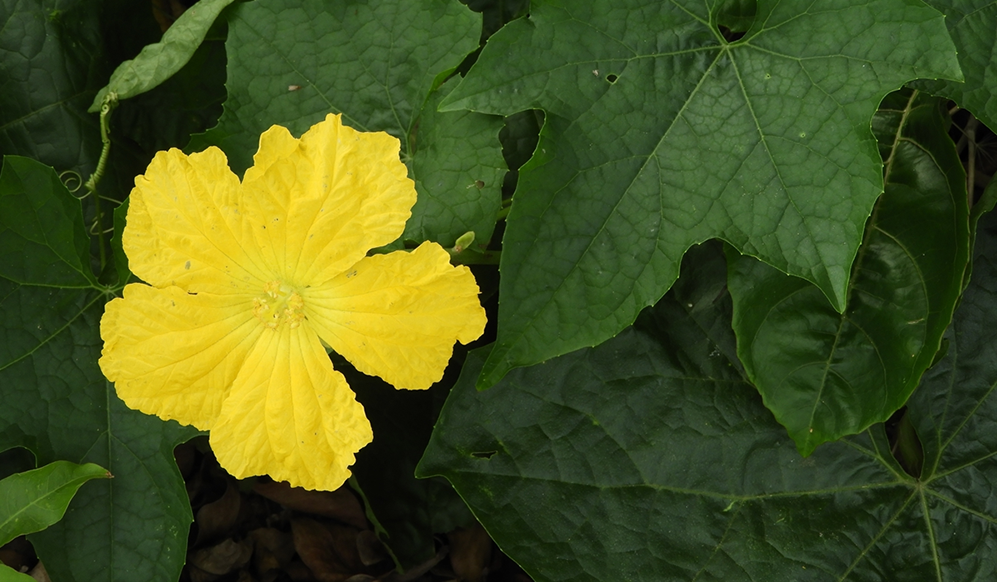
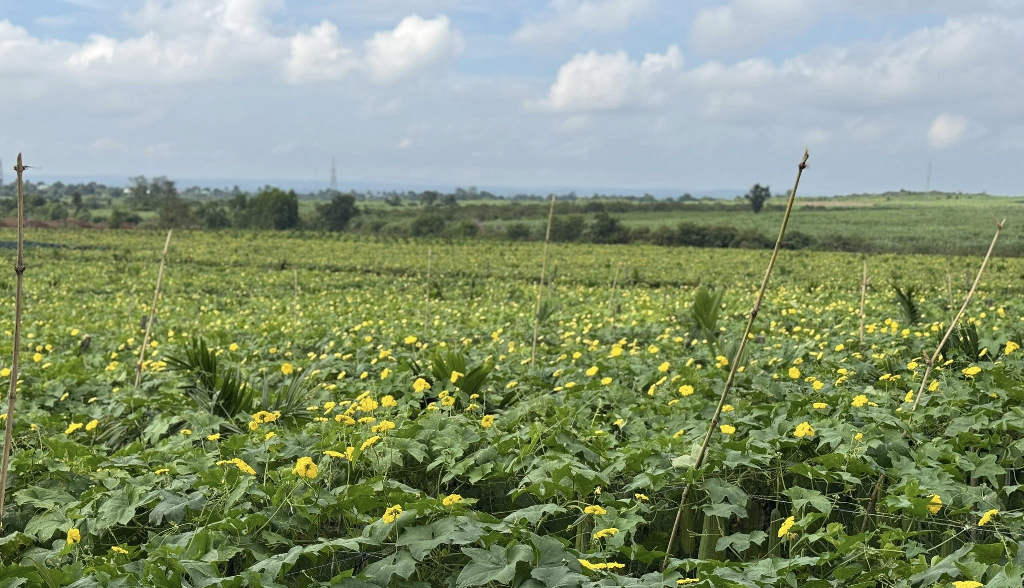
Join me on a journey back in time, to a sun-drenched courtyard at my grandmother’s house. There stood a loofah trellis, with lush green leaves and vibrant yellow flowers that called to the bees and butterflies. As children, we adored the sweet soup made from young loofah, but we paid little mind to the old gourds, their skins turned dark brown, withered and dried on the vine.
My grandmother used to say, “Save these old ones to scrub pots and wash your back, my child.” And just like that, the first loofah sponge of my life was born. It was coarse and rough, but strangely, it became wonderfully soft when soaked in water. The feeling of having my back scrubbed with that loofah has stayed with me throughout my childhood.
Then, modern life swept in, pulling us into a whirlwind of convenience and speed. Colorful, artificially soft plastic sponges took over. People gradually forgot the humble loofah, just as they forgot the trellis in their front yard. That gift from nature seemed to have faded into oblivion.
But you know what? In a world filled with industrial products, a spectacular comeback is happening. People are beginning to seek out original values, to find wellness in nature. And the loofah, that old friend, is returning—more beautiful, of higher quality, and carrying a greater mission.
The “Metamorphosis” of an Old Gourd: Do You Know What a Loofah Is Made Of?
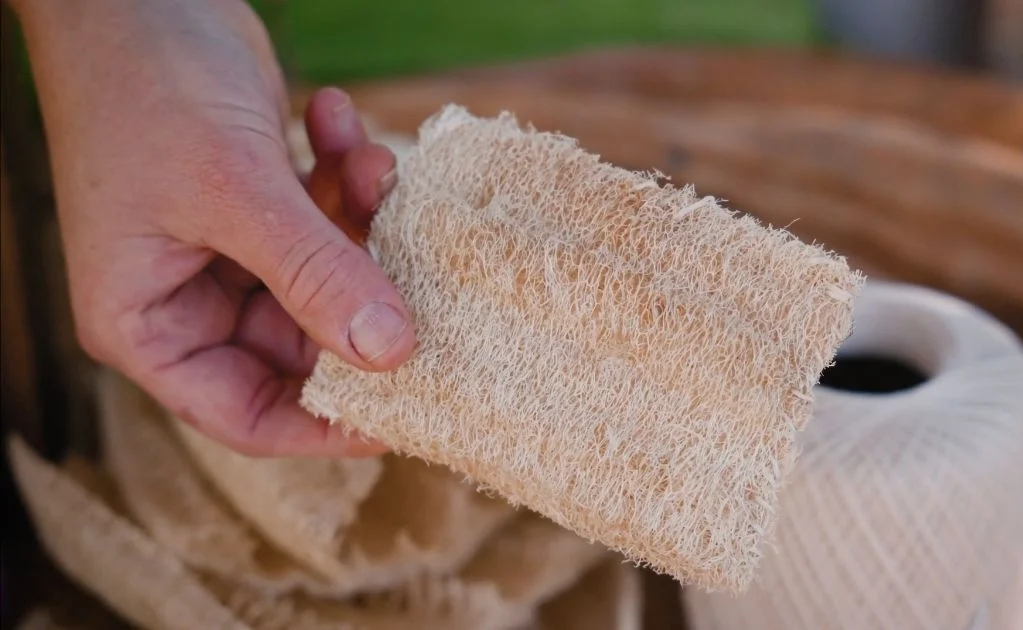
Many people, upon seeing a dried loofah for the first time, are surprised and ask, “Is this coral or some kind of sea creature?” It’s truly astonishing to learn that this intricate and beautiful network of fibers is actually the inside of an old loofah gourd.
That’s right. It’s not the luffa acutangula or luffa aegyptiaca we commonly eat, but a special variety grown specifically for its fibrous skeleton. At the farms of Loofah Global, this journey is nurtured like a work of art.
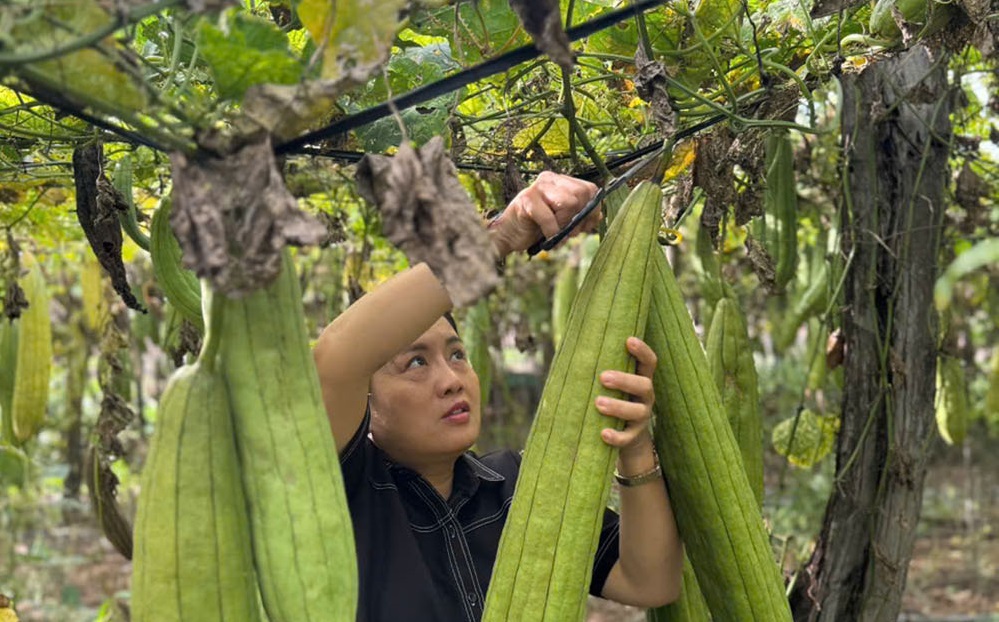
It all begins with healthy seeds, sown in rich alluvial soil, soaking up the golden tropical sun. Our farmers do not use pesticides or harmful chemicals. They believe that only the purity of the earth and sky can create the highest quality loofah gourds.
When the gourd reaches perfect maturity, its green skin begins to turn a faded yellow, then a deep brown. This is the sign that the fiber network inside has grown strong and durable. The gourd is left to dry naturally on the vine, caressed by the wind and sun. You can hear the delightful rattling sound of the seeds inside when you shake it, a cheerful signal that the harvest has arrived.
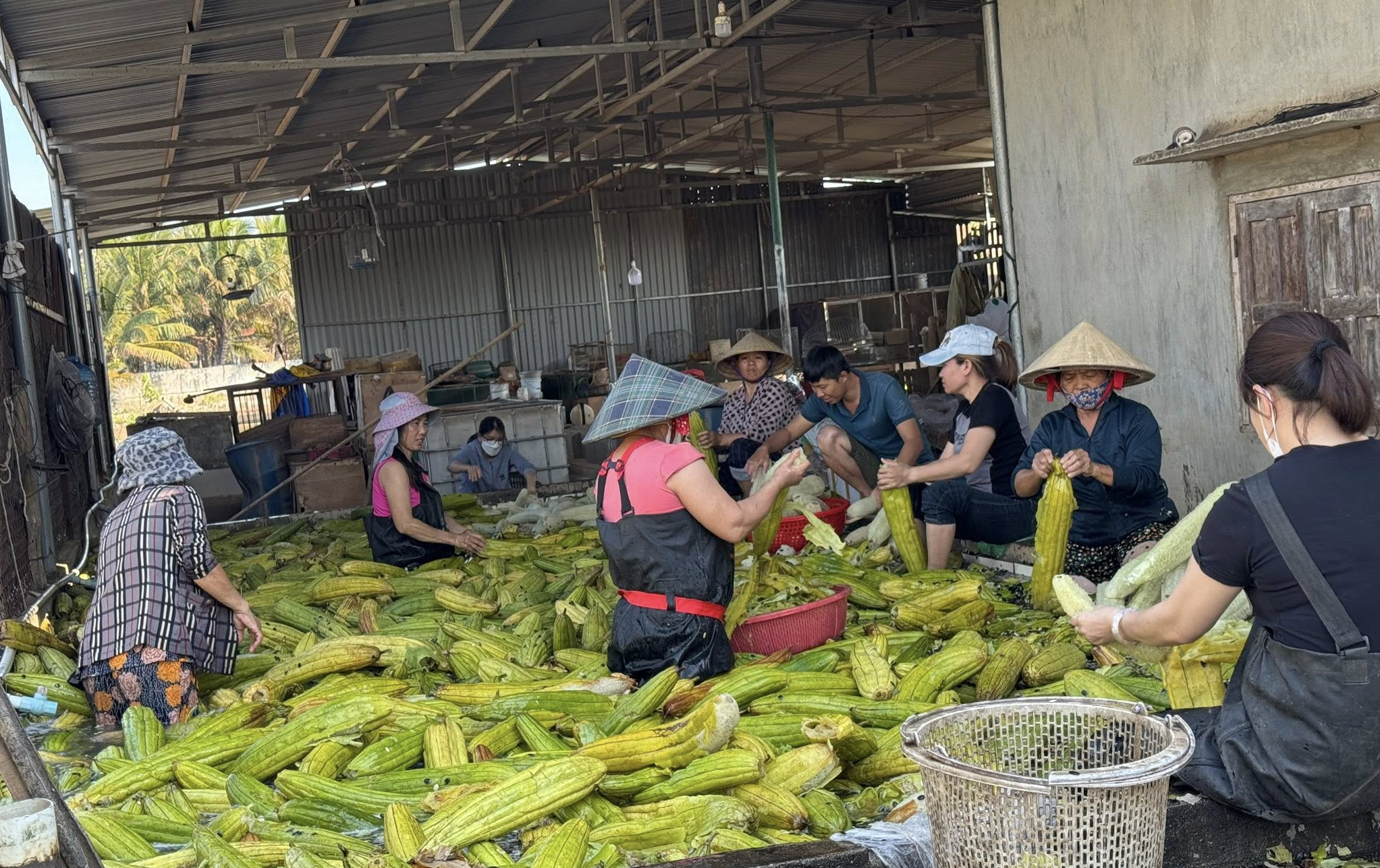
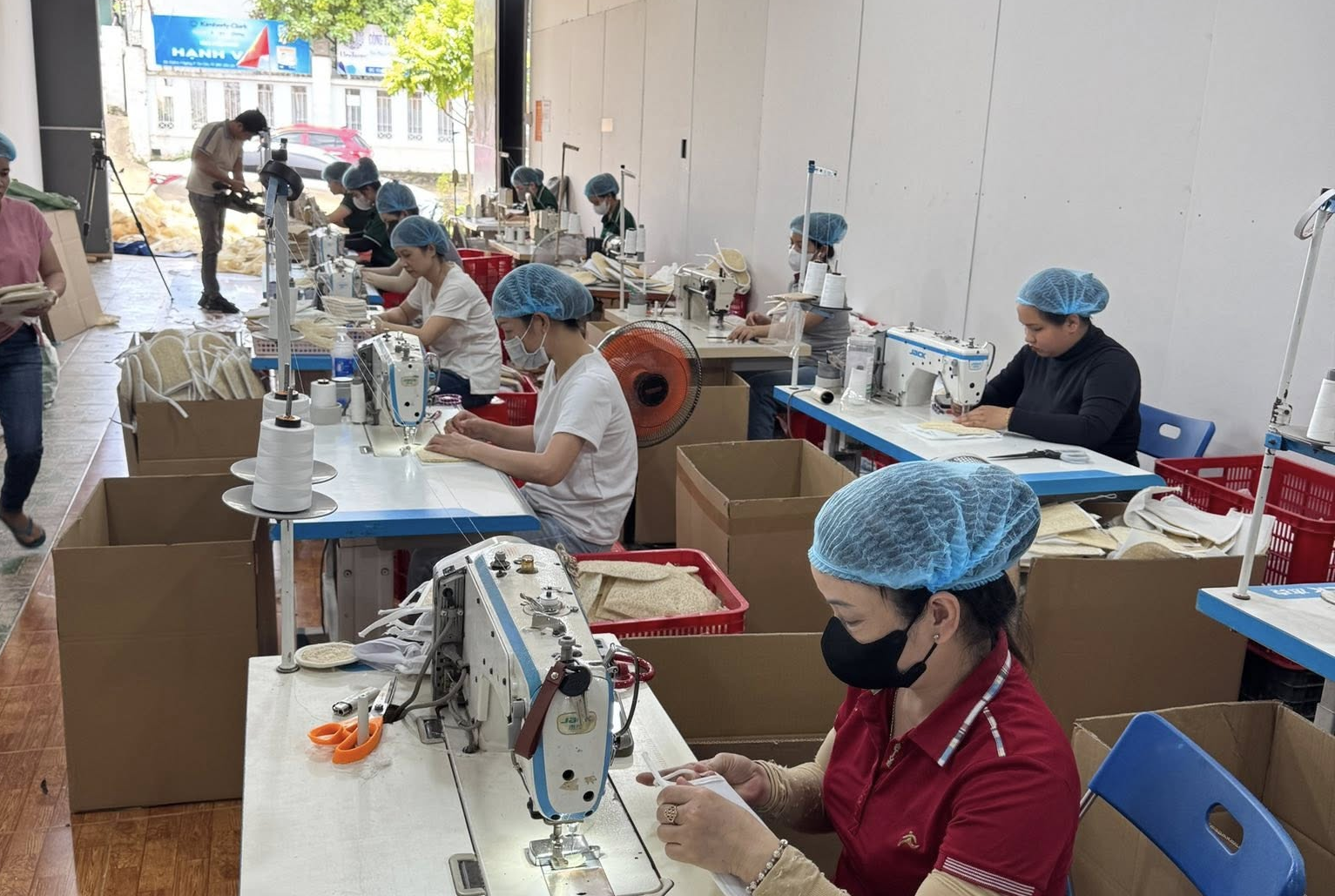
The dried gourds are picked, then soaked in water to soften the outer skin for easy peeling. This stage requires skill and patience. The artisans at Loofah Global gently peel away the skin, revealing a creamy white loofah skeleton that smells of sunshine.
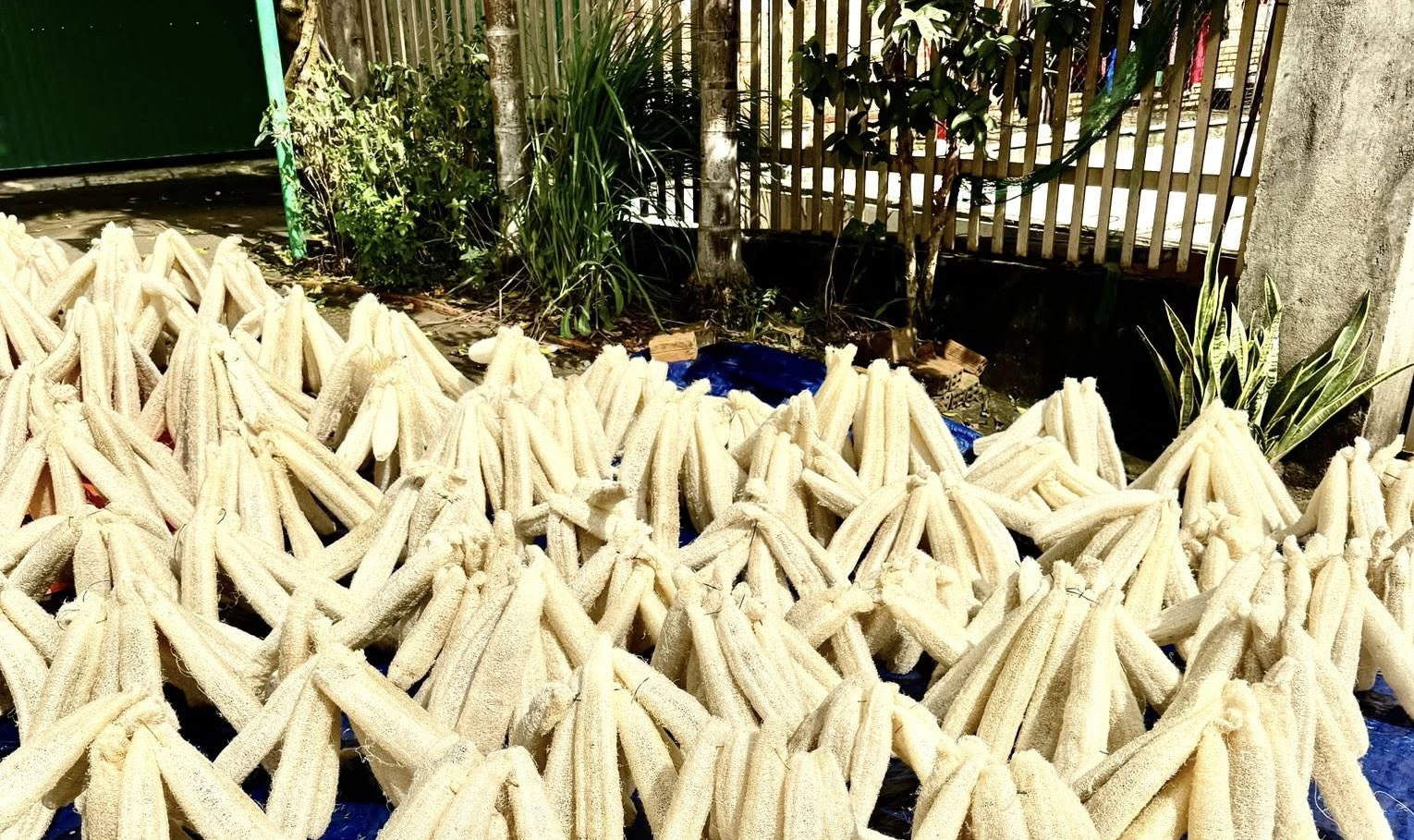
Next, the seeds are shaken out, and the loofahs are dried once more to ensure not a trace of moisture remains. Finally, the raw fibrous blocks are cut, shaped, and crafted into beautiful and convenient bath sponges, facial pads, and household items, ready to make their way to you. It’s a long, entirely manual process, filled with the love of its creators.
Why Are Natural Loofah Sponges Making a “Huge” Comeback?
The return of the loofah is not a fleeting trend. It is the result of a shift in consciousness, as we become more concerned about our personal health and the health of our planet.
A Gentle Friend for All Skin Types
Have you ever felt itchy or uncomfortable after using a plastic bath sponge? That’s because they can contain microplastics and are an ideal breeding ground for bacteria. In contrast, a natural loofah sponge is an excellent choice for exfoliation.
The plant-based fibers have just the right amount of firmness to remove the rough layer of dead skin, dirt, and excess oil from deep within the pores. But when soaked in water, they become soft, gently massaging the skin without causing scratches or irritation.
Regularly massaging with a loofah also helps stimulate blood circulation under the skin, making it look more rosy, bright, and healthy. Unclogged pores also allow the skin to absorb body lotions and creams much more effectively. It’s a feeling of deep, refreshing clean that industrial sponges can hardly provide.
A Green Lifestyle Starts with the Smallest Things
Every year, millions of tons of plastic waste are dumped into the oceans, and plastic bath sponges contribute a significant part. They take hundreds, even thousands of years to decompose, causing severe environmental pollution.
Choosing to use a loofah is you saying “no” to single-use plastic. After its life cycle (usually 2-3 months), you can cut the loofah into small pieces and bury it in the soil. It will completely biodegrade, returning to mother earth without leaving any harmful impact.
It’s a small action, but it carries great meaning. It demonstrates your responsibility towards the environment, a step on the journey to a green, minimalist, and sustainable life.
More Than Just a Bath Sponge: 3 Surprising Uses for a Loofah
Don’t think that a loofah is only for bathing. This versatile gift will surely surprise you!
- A “Miraculous” Dish Scrubber: Try replacing your synthetic dish sponge with a piece of loofah. It’s tough enough to scrub away stubborn stains on pots and pans without scratching non-stick surfaces. Moreover, its airy structure allows it to dry very quickly, reducing bacteria and odors.
- A Unique Soap Dish: Do you hate the feeling of a mushy bar of soap sitting in water? Cut a 1-2 cm thick slice of loofah and place your soap bar on top. The loofah will absorb all the excess water, keeping your soap dry and making it last longer.
- Creative Craft Material: With a little imagination, you can turn a loofah into countless unique decorative items like coasters, pet toys, or even art installations.
Expert Tips from Loofah Global on Choosing and Storing Your Loofah
To get the best experience, choosing a quality loofah is crucial. With our experience as a reputable producer, Loofah Global would like to share a few secrets with you:
How to Choose:
- Color: A good loofah has a natural creamy white or pale yellow color from being sun-dried. Be wary of those that are pure white as if bleached with chemicals; they may contain residues harmful to the skin.
- Resilience: Gently squeeze it. A quality loofah will be resilient and spring back, not brittle or crumbly. This indicates it was harvested at the right age and dried properly.
- Scent: A natural loofah has a light, pleasant scent of grass and sun. If you smell a harsh, musty, or strange chemical odor, you should absolutely not buy it.
- Fiber Texture: The fibers should be evenly and firmly interwoven. Avoid pieces with sparse or decaying fibers.
How to Store:
Caring for your loofah is also very simple. After each use, rinse it thoroughly under running water to remove all soap and dead skin cells.
Squeeze it out completely and hang it in a dry, well-ventilated place. Never leave a soaking wet loofah in the humid environment of the bathroom, as this will encourage mold growth.
About once every 1-2 weeks, you can soak it in hot water or dry it under the hot sun to disinfect it. And remember, you should replace your loofah every 2-3 months to ensure hygiene and the best performance.
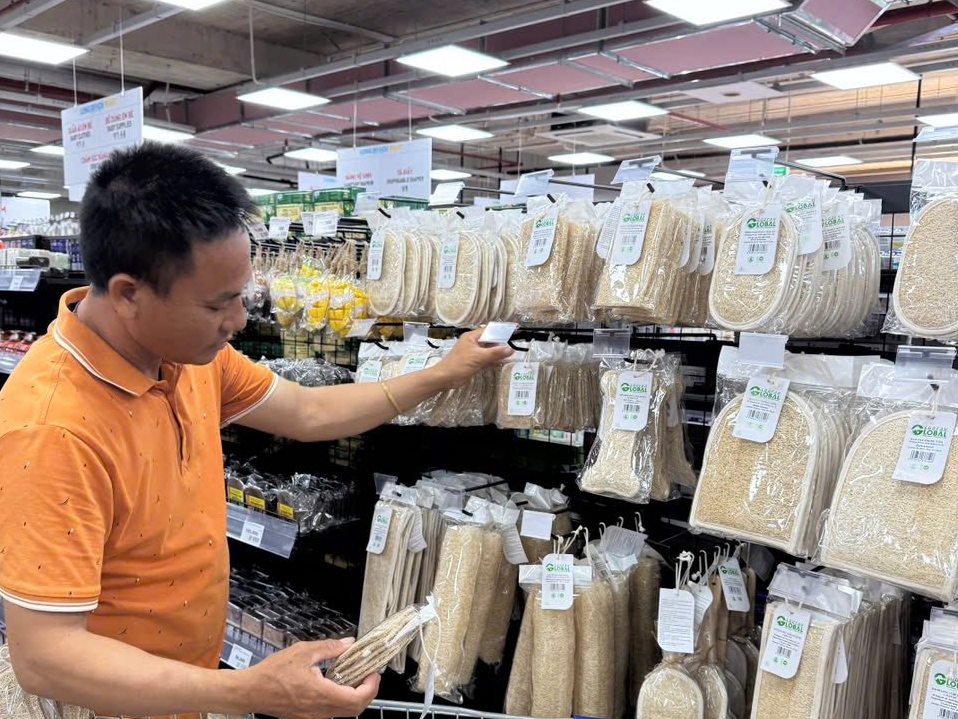
Loofah Global – The Mission to Elevate Vietnamese Loofah to the World
The story of Loofah Global began with a love for the rustic values of our homeland and a great concern: how to turn a simple, dried loofah gourd into a valuable product, embraced by consumers both at home and abroad?
We don’t just sell loofahs. We tell the story of the hardworking Vietnamese farmer, of the fertile land, and of a sustainable lifestyle. Loofah Global is committed to building a transparent supply chain, from certified growing regions and meticulous manual production processes to the final product that reaches your hands.
Every loofah product from Loofah Global carries with it a sense of national pride. We are proud to have created stable jobs for farmers, helping them feel secure in their work on their land. We are proud to have brought a truly “green” product to the market, contributing to environmental protection.
And above all, Loofah Global is proud to join you in spreading the value of the Vietnamese loofah, letting the world know that from the simplest things, our country can create wonderful products.
When you hold a product from Loofah Global in your hands, you are not just taking care of yourself. You are supporting a big dream, a mission to elevate Vietnamese agricultural products.
If you are interested in high-quality loofah products or wish to become a distribution partner for Loofah Global, please do not hesitate to contact us.
Contact Loofah Global:
- Website: loofahglobal.net
- Email: Loofaaservice@gmail.com
- Phone: +84327.467.467
- Address: Tổ 2, khối 11, phường Eakao, tỉnh Đắc Lắc, Việt Nam
Conclusion
From a withered old gourd on a vine, the loofah has made a spectacular journey to become a beloved health and beauty care product worldwide. It is proof that sustainable values from nature will always have a firm place, no matter how modern life becomes.
Choosing to use a loofah in general, and a product from Loofah Global in particular, is not just a smart decision for your skin and health. It is also a choice for the environment, for the community, and for the pride of Vietnamese agriculture. Let this simple gift from nature take care of you every day.
Frequently Asked Questions about Loofah
Is a loofah sponge suitable for sensitive skin?
Absolutely. Natural loofah is very gentle. For sensitive skin, simply soak the loofah in warm water a little longer to make it extra soft before use. Be sure to massage very gently and avoid scrubbing too hard. The products from Loofah Global are processed naturally without chemicals, making them extremely safe for even the most delicate skin.
How often should I replace my loofah sponge?
To ensure the best hygiene and exfoliating effectiveness, experts recommend replacing your loofah sponge every 2 to 3 months. If you notice your loofah changing color, developing a strange smell, or becoming mushy, it’s time to replace it immediately.
Why should I choose loofah products from Loofah Global?
Choosing Loofah Global means you are choosing a product with a clear origin, produced from clean raw materials through a completely manual, chemical-free process. We maintain strict quality control at every stage to ensure every loofah that reaches you is the best possible product. Furthermore, you are also joining hands with Loofah Global to support Vietnamese farmers and promote sustainable values.