

From Humble Vine to Global Game-Changer
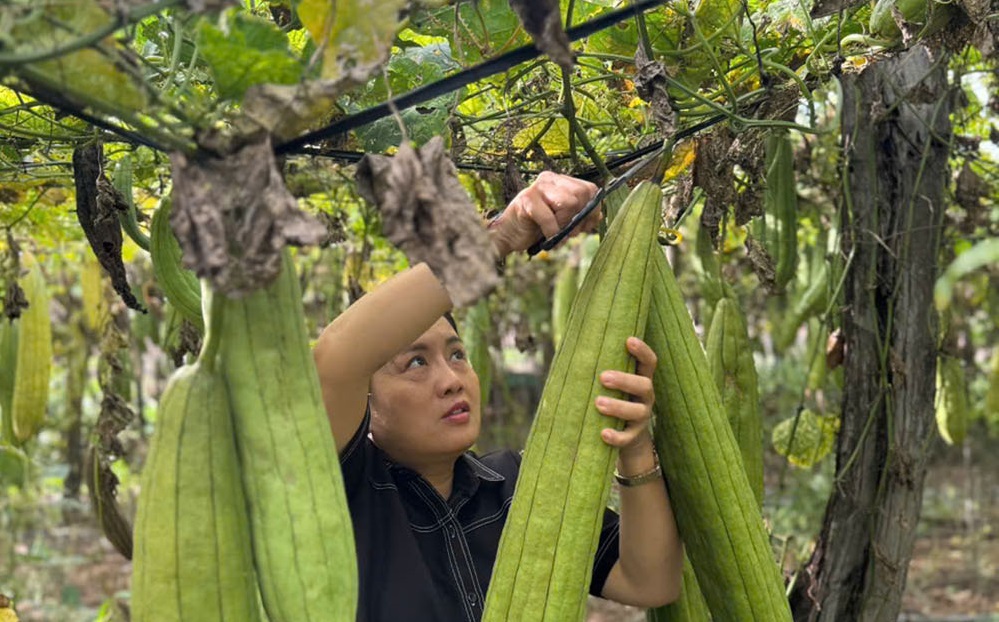
Picture this: a sun-drenched afternoon in a quiet Vietnamese village. An elderly woman, her face etched with gentle lines of wisdom, is tending to a sprawling green vine climbing over a rustic trellis. Hanging from it are long, green gourds, basking in the tropical warmth. This isn’t just a garden; it’s the birthplace of a revolution.
For generations, this plant—the loofah—has been a simple part of daily life in Vietnam. But today, as the world desperately seeks alternatives to plastic, this humble gourd is stepping onto the global stage. The story of Vietnamese loofah is a powerful tale of how ancient tradition holds the key to a sustainable future.
What Exactly is Loofah? Unraveling the Myth
Let’s clear up a common misunderstanding right away. Many people are surprised to learn that loofah doesn’t come from the ocean. It’s not a sea sponge or a coral.
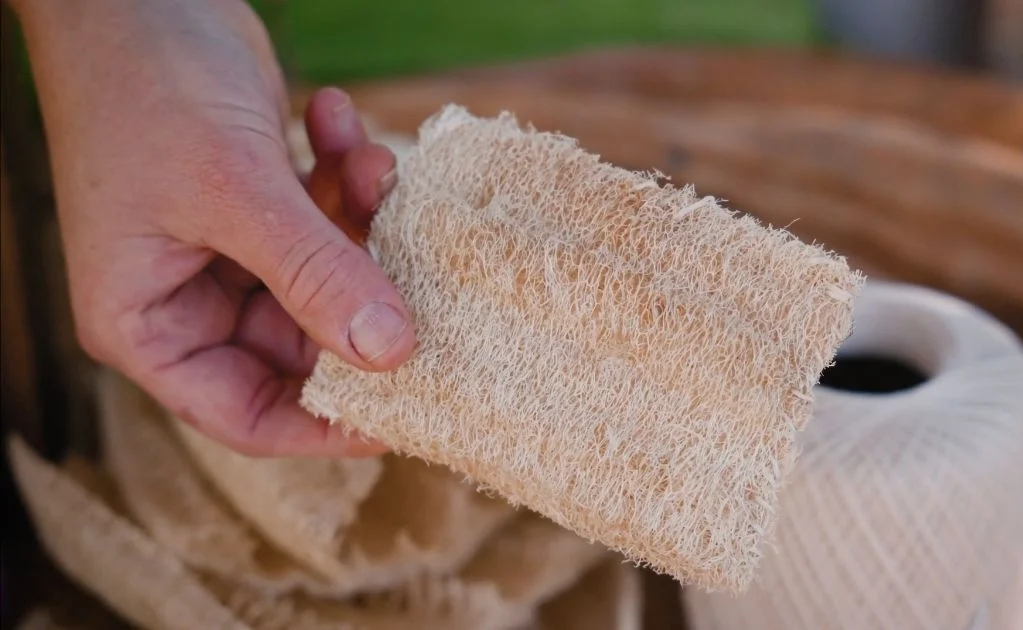
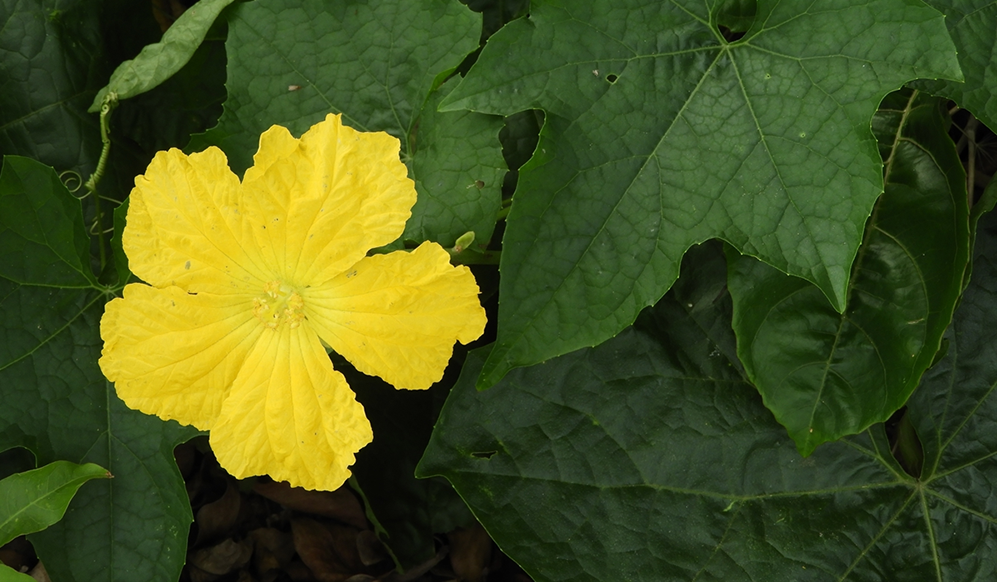
A loofah is actually the fibrous skeleton of a mature gourd from the Luffa genus, a vine in the cucumber family. When the gourd is young, it’s an edible vegetable. But if left to mature on the vine, it dries out, the skin becomes brittle, and the inside transforms into a dense network of tough, durable fibers.
The process is a beautiful example of nature’s ingenuity. Farmers harvest the dried, lightweight gourds. You can hear the seeds rattling inside like a natural maraca. The brittle outer skin is then peeled away, revealing the pale, fibrous sponge within. After a thorough cleaning and sun-drying, what’s left is the Vietnamese loofah we know and love—a perfect, all-natural tool.
The “Green” Superpowers of Vietnamese Loofah
What makes this simple gourd a superhero in the green revolution? Its power lies in a unique combination of natural characteristics that plastic could never replicate.
100% Biodegradable and Compostable
Think about the last plastic dish sponge you threw away. It will sit in a landfill for an estimated 500 years, leaching microplastics into the environment. Now, imagine your used loofah.
When it reaches the end of its life, you can simply toss it into your compost bin. Within weeks, it breaks down completely, returning its organic matter to the soil, enriching it to grow new life. It’s a perfect, closed-loop cycle. There is zero waste. This single attribute makes Vietnamese loofah an incredibly powerful tool against plastic pollution.
A Renewable Resource with a Low Carbon Footprint
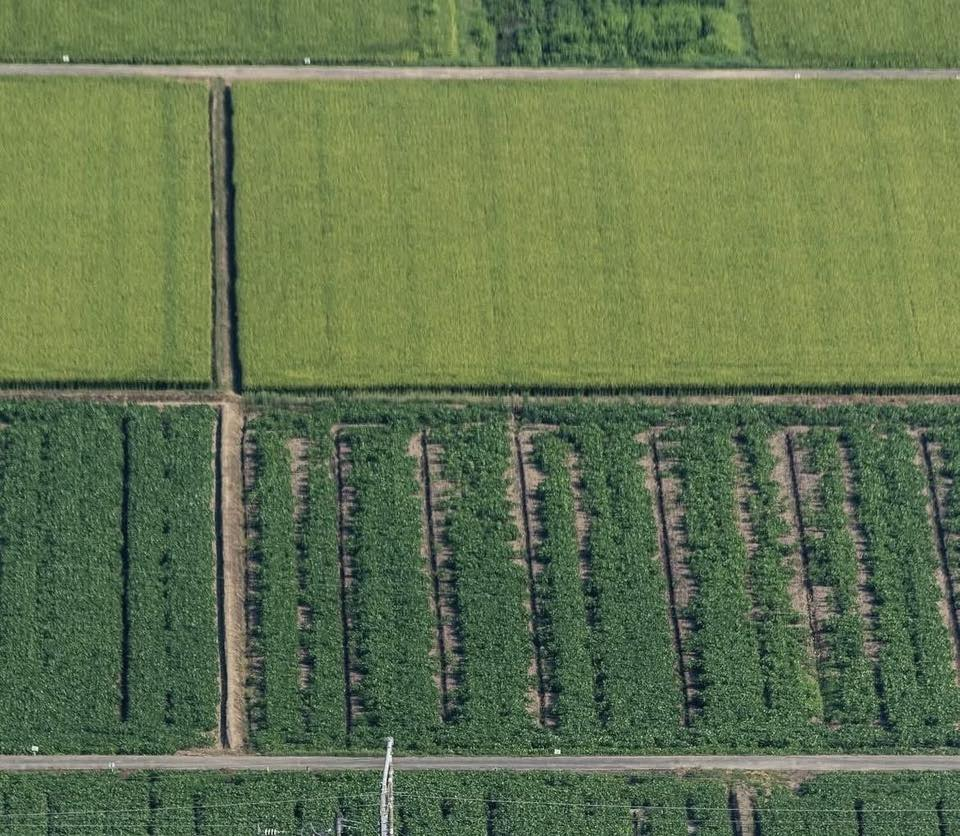
Loofah is a fast-growing, annual crop. A single vine can produce dozens of gourds in one season. In Vietnam, it is often grown using traditional farming methods passed down through generations, requiring minimal intervention.
Unlike the energy-intensive manufacturing processes for plastic sponges, which rely on fossil fuels, the production of loofah is powered primarily by the sun and rain. Companies committed to sustainability, like Loofah Global, partner with local farmers to ensure these organic, low-impact methods are preserved, resulting in a product with an exceptionally low carbon footprint.
Water-Wise and Chemical-Free Cultivation
The Luffa plant is remarkably resilient. It thrives in the warm, humid climate of Vietnam and is naturally resistant to many pests. This means it can be grown with little to no synthetic pesticides or fertilizers.
This not only protects the local soil and water systems from chemical runoff but also ensures the final product is pure and free from harmful residues. When you use a Vietnamese loofah on your skin or your dishes, you can be confident it’s as clean and natural as the earth it came from.
Beyond the Sponge: 5 Surprising Applications of Vietnamese Loofah
Most of us know loofah as a bath-time exfoliator. But its potential goes far, far beyond the bathroom. This is where the story gets truly exciting and the “revolution” part becomes clear.
1. The Kitchen’s Eco-Friendly Scrubber
Say goodbye to green plastic scouring pads and steel wool. A slice of Vietnamese loofah is the perfect kitchen companion. Its fibrous texture is tough enough to scrub away stubborn food from pots and pans but gentle enough that it won’t scratch non-stick surfaces.
It lathers up beautifully with soap, rinses clean easily, and dries quickly, which helps prevent the bacterial growth common in plastic sponges. It’s a simple switch that eliminates a major source of household plastic waste.
2. Innovative Packaging Material
This is a game-changer. The world is drowning in Styrofoam peanuts and plastic bubble wrap. Vietnamese loofah offers a stunningly effective and beautiful alternative.
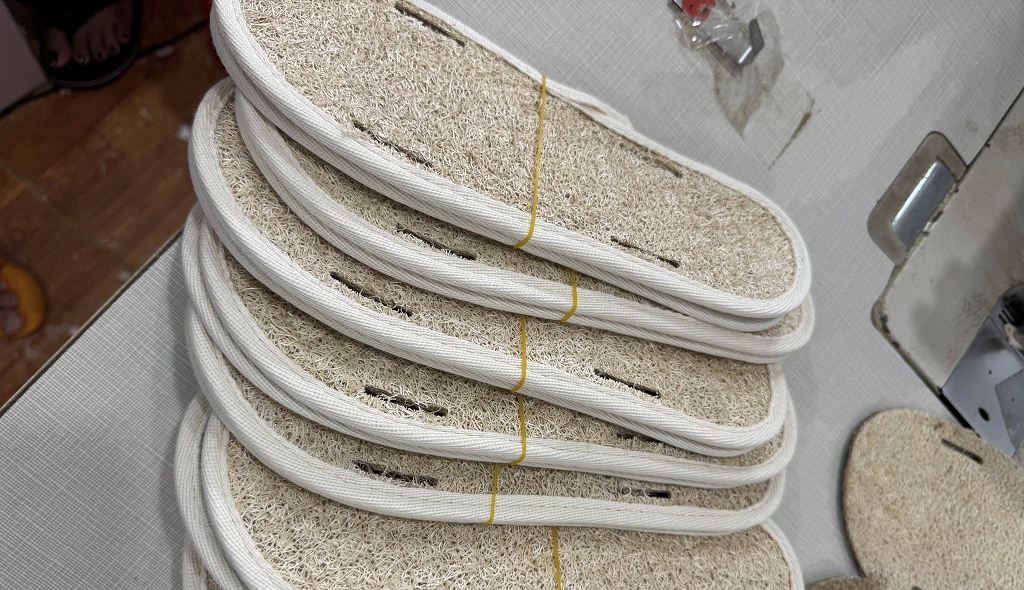
When pressed into sheets or custom-molded shapes, loofah fibers create a lightweight, shock-absorbent cushion that can protect fragile goods during shipping. Imagine receiving a delicate ceramic piece, nestled safely not in plastic, but in a cushion of natural loofah. Visionary companies like Loofah Global are already exploring this to provide businesses with 100% compostable packaging solutions. It’s protective, sustainable, and offers a unique, high-end unboxing experience.
3. A Natural Filter for Water and Air
The intricate, porous structure of a loofah isn’t just for holding soap—it’s a natural filter. Scientific studies have explored its potential for low-cost water purification systems in developing regions. The fibrous network can help trap sediment and impurities.
Similarly, its structure can be used in natural air filtration or humidification systems. While high-tech applications are still being developed, the principle is sound and rooted in the very nature of the material.
4. Building and Insulation Materials
Think bigger. The fibrous, airy composition of Vietnamese loofah gives it excellent acoustic and thermal insulation properties. Researchers are experimenting with creating composite boards made from loofah fibers and natural binders.
These panels could one day be used for soundproofing rooms or as a natural, breathable insulation material in green building projects. It’s a futuristic vision that turns a simple farm product into a component of sustainable architecture.
5. Art, Decor, and Creative Soaps
The natural beauty and unique texture of loofah have not been lost on artists and creators. It’s a fantastic material for crafting.
One of the most popular uses is in soap making. Slices of loofah are often embedded directly into bars of soap, creating a 2-in-1 wash-and-exfoliate product. Its sculptural form also lends itself to decorative items like lampshades, vase fillers, and unique art pieces that bring a touch of natural elegance into the home.
The Human Story: How Loofah Empowers Vietnamese Communities
The rise of the Vietnamese loofah is not just an environmental story; it’s a human one. For every loofah that reaches a global market, there is a chain of real people whose lives are being improved.
In rural provinces across Vietnam, the growing demand for high-quality, ethically sourced loofah is creating sustainable livelihoods. It provides a reliable source of income for small-scale farming families, often empowering women who are the primary caretakers of these crops and the artisans who process them.
This isn’t about large-scale, industrial agriculture. It’s about preserving traditional knowledge and creating economic opportunity where it’s needed most. When companies like Loofah Global establish fair-trade partnerships, they ensure that farmers receive a fair price for their labor. This direct-trade model cuts out unnecessary middlemen and funnels resources back into the community, funding education, healthcare, and local infrastructure.
Choosing a Vietnamese loofah from an ethical source means you are casting a vote for a system that values both people and the planet. You are supporting a grandmother’s garden, a woman’s cooperative, and the preservation of a culture.
Your Role in the Loofah Revolution: How to Make a Difference
This global shift towards sustainability isn’t just for corporations or governments. It starts with you, in your own home. You have the power to be part of this green revolution.
Choosing the Right Loofah: What to Look For
Not all loofahs are created equal. Look for products that are unbleached—they should have a natural, creamy off-white or yellowish color, not a stark, sterile white. A bleached loofah has been treated with harsh chemicals.
Seek out brands that are transparent about their sourcing. A company proud of its ethical partnerships, like Loofah Global, will gladly share the story of where their loofahs come from. This ensures your purchase has a positive social and environmental impact.
Caring for Your Loofah to Maximize its Lifespan
A little care goes a long way. After each use, rinse your loofah thoroughly and hang it to dry in a well-ventilated area. Allowing it to dry completely between uses is the most important step to prevent mildew and extend its life.
Once a week, you can sanitize it by soaking it in a vinegar solution or zapping it in the microwave for 20 seconds while damp. With proper care, a single loofah can last for many weeks.
Spreading the Word
The most powerful thing you can do is share this story. Tell your friends and family about the amazing potential of Vietnamese loofah. Gift them a loofah soap or a kitchen scrubber set.
Ask your local health food store or co-op if they stock ethically sourced loofahs. The more people who ask, the more demand there will be for these sustainable products, fueling the entire cycle of positive change.
Are you a business owner looking for sustainable packaging or unique, eco-friendly products for your store? The potential of Vietnamese loofah is immense. Partnering with a reliable supplier can set your brand apart as a leader in the green economy.
Ready to bring the authentic, sustainable power of Vietnamese loofah to your customers or your business? Contact Loofah Global today to explore our wholesale, private label, and custom packaging solutions. Let’s build a greener future together.
Conclusion: The Future is Fibrous
From a simple vine in a Vietnamese garden to a potential replacement for plastic packaging, the journey of the Vietnamese loofah is nothing short of extraordinary. It is a powerful reminder that sometimes, the most effective solutions to our modern problems are not found in a laboratory, but in the wisdom of nature and the traditions of the past.
The loofah is more than just a sponge. It is a symbol of a circular economy, a tool for empowering communities, and a tangible way for each of us to participate in the green revolution. The next time you see a loofah, don’t just see a scrubber. See the sun, the soil, the farmer, and the incredible, fibrous potential to change the world, one gourd at a time.
Frequently Asked Questions
Is Vietnamese loofah better than other loofahs?
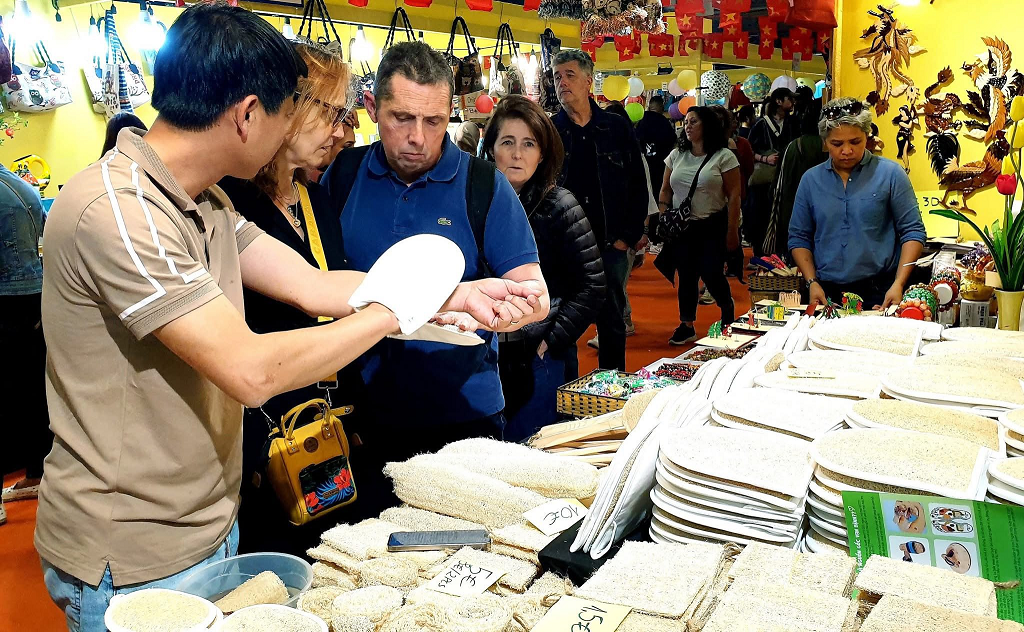
While loofah is grown in many parts of the world, Vietnamese loofah often stands out due to the ideal growing climate, which produces strong, dense fibers. Furthermore, the deep-rooted traditional knowledge of cultivation and processing results in a high-quality product. When you choose a brand like Loofah Global, you are also assured of ethical sourcing and fair-trade practices that support local communities, adding a layer of social value to its environmental benefits.
How long does a loofah last and how do I dispose of it?
For personal hygiene, a loofah should typically be replaced every 3 to 4 weeks to ensure it stays clean and effective. For household cleaning, it can last much longer. The best part is its disposal. Once it has worn out, you can simply cut it into smaller pieces and add it to your home compost pile or city green bin. It will completely biodegrade, leaving no trace behind.
Can I really use loofah for cleaning dishes?
Absolutely! A Vietnamese loofah is an excellent, plastic-free alternative for washing dishes. Its fibrous texture is abrasive enough to remove caked-on food but is softer than metal scourers, so it won’t scratch your delicate cookware, non-stick pans, or glassware. It also dries much faster than conventional plastic sponges, reducing the risk of bacterial growth and unpleasant odors.
================
#loofah #loofahglobal #loofahvietnam #loofahexport #loofah_handicraft #handicraft #xơmướp #xơmướpxuấtkhẩu #xơmướpmỹnghệ #xơmướpđắclắc #xơmướpViệtNam