


The Moment of Truth: From Eco-Hero to Slimy Zero
Let’s be honest. We’ve all been there. You were so proud of your new Vietnamese loofah. It looked so rustic and chic hanging in your shower. The first few scrubs felt invigorating, a truly natural exfoliation. You were winning at sustainability.
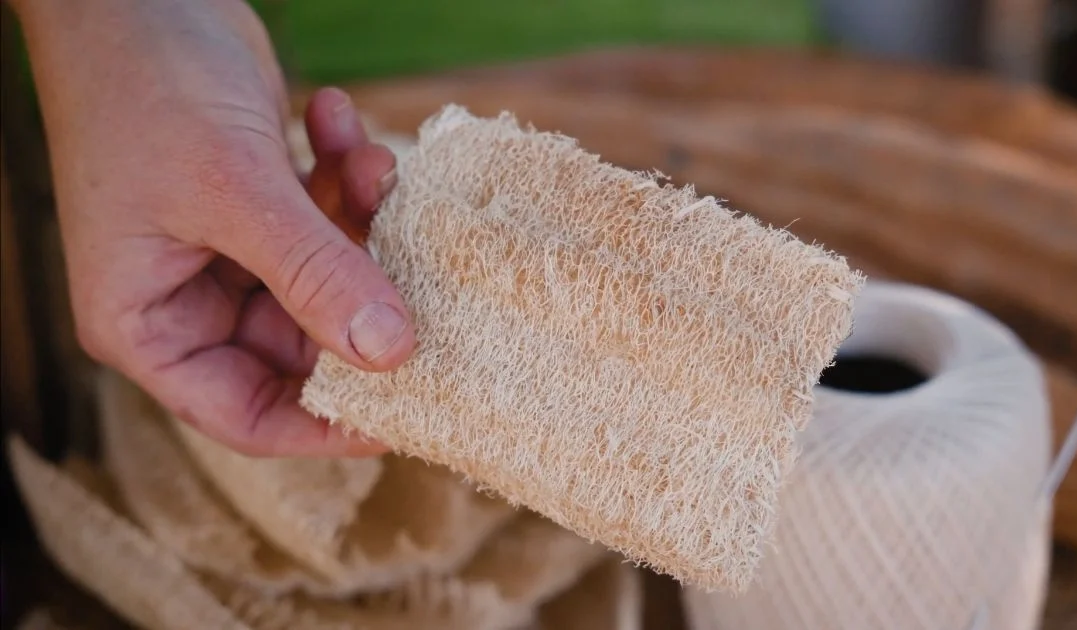
But then, a week or two later, you reach for it and hesitate. It feels… a bit slimy. It has a faint, earthy smell that isn’t entirely pleasant. You left it sitting in a puddle on the shower shelf, and now it looks sad and waterlogged. Suddenly, that bright yellow plastic pouf you threw away doesn’t seem so bad.
Stop right there. The problem isn’t your loofah. The problem is moisture, and it’s a battle you can easily win. Caring for a loofah is incredibly simple, but it requires a slightly different mindset than caring for a synthetic object. Think of it not as a tool, but as a natural plant fiber that needs to breathe.
Why Loofahs Need Love: The Science of a Sponge
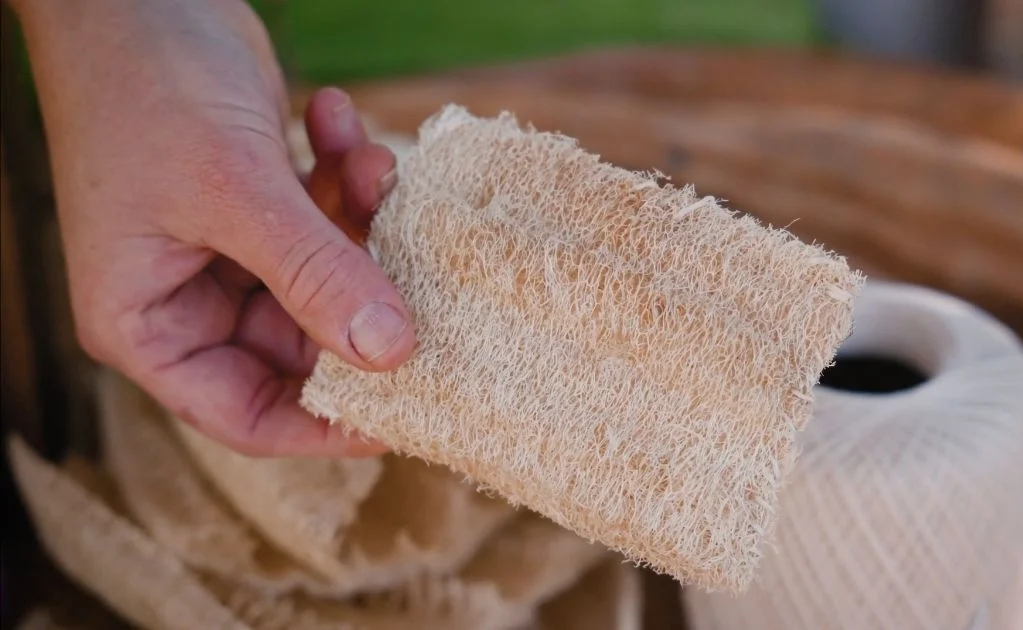
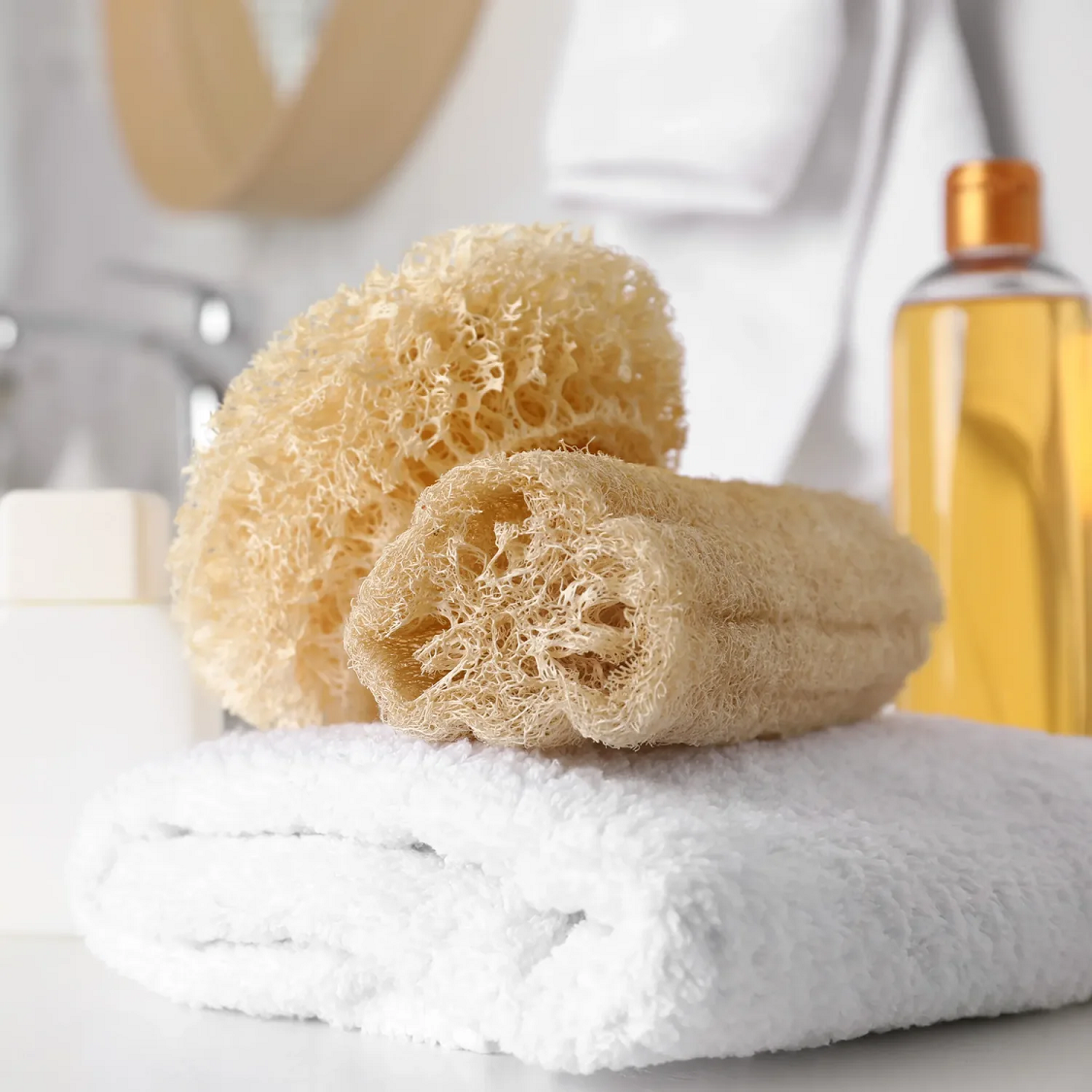
To understand how to clean your loofah, you first need to understand its structure. A loofah is a complex, porous network of dried plant fibers. This amazing structure is what makes it so great at exfoliating—it has countless nooks and crannies that gently scrub away dead skin cells.
However, these same nooks and crannies can become a perfect hideout for moisture, soap residue, and, if left unchecked, bacteria. A warm, damp shower is the ideal breeding ground. When you leave your loofah soaking wet in the corner, you’re essentially rolling out the welcome mat for mildew and funky smells.
But here’s the good news: with just a few seconds of care each day and a simple weekly ritual, you can keep your loofah fresh, firm, and effective for weeks, even months. Starting with a high-quality, properly dried product like a Vietnamese loofah from GreenSapa Loofah gives you a significant head start, as their dense, strong fibers are naturally more resilient.
The Golden Rule: Your 30-Second Daily Ritual
This is the most important part of this entire guide. If you only do one thing, do this. This simple, daily habit is 90% of the battle and will dramatically extend the life of your loofah.
Step 1: Rinse Thoroughly
After every single use, hold your loofah under a strong stream of clean, hot water. Squeeze it and rinse it several times. The goal is to flush out all soap residue and any exfoliated skin cells. Imagine you’re wringing out a kitchen sponge—you want the water running through it to be completely clear.
Step 2: Squeeze, Don’t Wring
Once it’s rinsed, give it a firm squeeze to get as much water out as possible. Avoid twisting or aggressively wringing it, as this can break down the natural fibers over time. Just a good, solid press is all it needs. You’ll be surprised how much water it holds.
Step 3: Hang to Dry
This is the game-changer. Never, ever leave your loofah sitting in a puddle on the shower floor or a wet shelf. It needs air circulation to dry completely. Hang it on a hook, a tap, or a suction cup away from the direct spray of the showerhead. An ideal spot is near a window or in a part of the bathroom that gets good airflow.
This daily rinse-squeeze-hang routine prevents moisture from settling in and is your first line of defense against bacteria and mildew. It turns loofah care from a chore into a simple, mindful end to your shower.
The Weekly Spa Day: How to Deep Clean Your Loofah
Even with perfect daily care, it’s a great idea to give your loofah a deeper clean once a week. This will sanitize it, remove any stubborn buildup, and keep it feeling fresh and new. Think of it as a spa day for your scrubber. Here are four easy and effective methods.
Method 1: The Vinegar Soak (The Classic Disinfectant)
Vinegar is a natural, non-toxic disinfectant and deodorizer. Its acetic acid is brilliant at killing mold, mildew, and bacteria.
- What to do: In a bowl, create a solution of one part white vinegar and one part water. Submerge your loofah completely and let it soak for 15-20 minutes.
- The result: After soaking, you’ll notice the water might be slightly discolored—that’s a good thing! It means the vinegar is working. Rinse the loofah thoroughly with hot water to remove the vinegar smell, squeeze it out, and hang it to dry, preferably in the sun if possible.
Method 2: The Quick Boil (The High-Heat Reset)
Boiling is one of the most effective ways to sterilize just about anything, and your loofah is no exception.
- What to do: Bring a small pot of water to a rolling boil. Using tongs, carefully place your loofah in the water and let it boil for 2-3 minutes.
- The result: This quick blast of high heat will kill any lingering germs. Carefully remove the loofah with tongs (it will be very hot!), let it cool down enough to handle, then squeeze out the excess water and hang it to dry.
Method 3: The Microwave Zap (The 20-Second Sanitizer)
This is a fantastic hack for a quick and powerful sanitization, but it comes with a crucial safety warning.
- What to do: First, make sure your loofah is completely free of any metal wires or tags. Get the loofah thoroughly damp—never microwave a dry loofah, as it is a fire hazard. Place the damp loofah in the microwave and heat it on high for 20-30 seconds.
- The result: The microwave’s energy will heat the water within the loofah’s fibers, effectively steaming it from the inside out and killing germs. Let it cool completely before handling.
Method 4: The Essential Oil Boost (The Aromatic Cleanse)
For a less intensive but wonderfully fragrant clean, you can use the natural antibacterial properties of essential oils.
- What to do: After your daily rinse and squeeze, add 2-3 drops of tea tree, eucalyptus, or peppermint essential oil directly onto the loofah. Work it into the fibers with your hands.
- The result: These oils not only smell amazing but also have natural antimicrobial properties that help keep your loofah fresh between deep cleans.
The Art of Storage: Creating a Loofah Paradise
Where you store your loofah is just as important as how you clean it. The goal is to maximize airflow and minimize humidity.
The Loofah Graveyard: This is the dark, damp corner of your shower, the crowded shower caddy where water pools, or the side of the tub. These places are a death sentence for a natural loofah.
The Loofah Paradise: This is a simple hook on the wall, far from the shower stream. It’s a spot near an open window or a bathroom fan. Some people even take their loofah out of the bathroom entirely after use and hang it in a sunnier, airier room to dry. This might seem like extra work, but it guarantees the longest possible lifespan.
The Final Farewell: Knowing When to Let Go
Even the best-cared-for loofah won’t last forever. It’s a natural product, and part of its beauty is that it’s biodegradable. It’s designed to return to the earth.
You’ll know it’s time for a new loofah when:
- It develops a persistent musty smell that doesn’t go away after a deep clean.
- You see visible signs of mold or mildew (black or green spots).
- The fibers become very soft, start to fall apart, and lose their exfoliating texture.
For a loofah used on your body, a good rule of thumb is to replace it every 4-6 weeks, depending on use and care. For a kitchen loofah used for dishes, it can last much longer.
And the best part? There’s no guilt in saying goodbye. Simply toss your old loofah into your compost bin. It will break down and become nutrient-rich soil, completing its beautiful, zero-waste lifecycle. It’s a final act of giving back to the earth, something a plastic sponge could never do.
Conclusion: A Small Habit for a Big Impact
Caring for your Vietnamese loofah isn’t complicated. It’s a simple, mindful practice. By incorporating a 30-second rinse-and-hang routine into your day and a weekly deep clean, you transform your loofah from a disposable item into a durable, hygienic tool.
You’ll save money by not having to replace it as often, enjoy a cleaner and more invigorating scrub, and feel a deep sense of satisfaction knowing you are making your sustainable choice truly work. It’s a small habit that honors the natural material you’re using and makes your commitment to a greener lifestyle a resounding success.
Frequently Asked Questions
Can I use bleach to clean my loofah?
It is strongly recommended that you do not use bleach. Bleach is a harsh chemical that will break down the natural plant fibers of the loofah, causing it to degrade and fall apart much faster. More importantly, it strips the loofah of its natural essence and introduces harsh chemicals to an item you use on your skin. Stick to natural disinfectants like vinegar or boiling water for a safe and effective clean.
My loofah smells musty, what did I do wrong?
A musty smell is almost always a sign of trapped moisture and the beginning of mildew growth. This happens when the loofah isn’t allowed to dry completely between uses. To fix it, give it a deep clean using the vinegar soak or boiling method described above. Afterward, be extra diligent about your daily routine: rinse thoroughly, squeeze out all excess water, and hang it in a place with excellent air circulation, even outside the shower if necessary.
Is a high-quality loofah like one from GreenSapa Loofah easier to clean?
Yes, quality makes a noticeable difference. A premium Vietnamese loofah from a reputable source like GreenSapa Loofah is typically harvested at peak maturity, resulting in denser, stronger, and more uniform fibers. This robust structure means it holds its shape better, is more resistant to breaking down, and can withstand regular cleaning more effectively than a lower-quality, flimsy loofah, ultimately making it easier to care for and longer-lasting.
================
#loofah #loofahglobal #loofahvietnam #loofahexport #loofah_handicraft #handicraft #xơmướp #xơmướpxuấtkhẩu #xơmướpmỹnghệ #xơmướpđắclắc #xơmướpViệtNam